
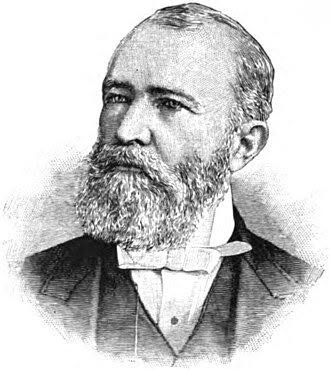
The following is a history in 7 parts. It covers E.H. Taylor, Jr.’s life before 1872.
Part 1- Who was Edmund Haynes Taylor, Jr.?
Part 2- Young Edmund in Frankfort, KY
Part 3- E.H. Taylor and Zachary Taylor
Part 4- Who was Daniel Swigert?
Part 5- Enter, W.A. Gaines.
Part 6- The Oscar Pepper Effect
Part 7- The Man, the Myth.
Part 1- Who was Edmund Haynes Taylor, Jr.?
One of the most recognized names in American whiskey history is undoubtedly Colonel E.H. Taylor, Jr., often dubbed the “Father of Modern Bourbon.” Edmund Haynes Taylor, Jr. was incredibly well-connected during his lifetime, but not necessarily because of his father. Edmund Haynes Taylor, Sr., the man who raised him through the ranks of Kentucky society, was NOT his father, but his uncle. E.H. Taylor, Jr.’s real father died when he was only 5 years old. It wasn’t until he reached his 20s that he would be adopted (unofficially?) by his father’s older brother.
Edmund was born on February 12, 1830 to John Eastin Taylor and Rebecca Edrington. John E. Taylor had been clerk of Hickman County when Edmund was born, serving under his father, Col. Richard Taylor, Jr. who had been tasked with surveying the lands west of the Tennessee River, land which had been designated for soldiers of the Revolution (Jackson’s Purchase). Richard Taylor, Jr. had been a well-respected magistrate in Franklin County, Kentucky.
John Eastin and his wife, Rebecca, were married in 1827. Edmund was their first child, and a daughter followed soon after in 1832. As fate would have it, the couple traveled to New Orleans during the winter of 1835. Unfortunately for John, their visit coincided with a terrible outbreak of typhus that struck the citizens of New Orleans. John contracted the disease and attempted to return home, but did not make it far.
An excerpt from a letter (written on Feb 27, 1835) by Col. Richard Taylor, Jr. to his father, Commodore Richard Taylor, Sr. read:
“John left New Orleans on Tuesday morning (Feb. 3) about 11 o’clock, with his family for this place (Columbus, Kentucky) and on Thursday morning Feb. 5, landed at your uncle William Taylor’s and died about an hour after he was taken from the boat.”
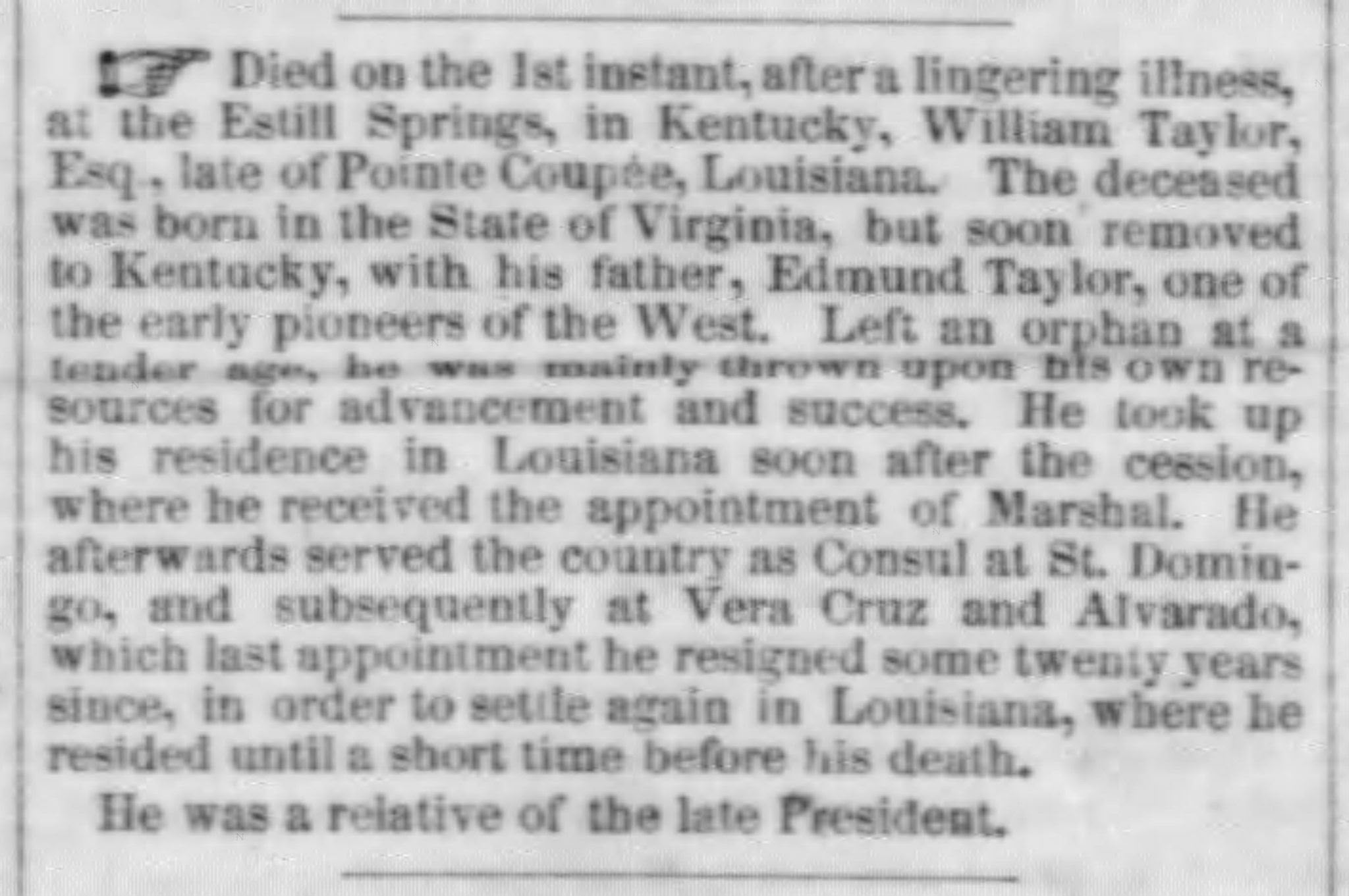
John Eastin Taylor died on February 2, 1835, when he was just 31 years old. The letter describes John Taylor’s death taking place at the home of his great-uncle, Col. William Taylor- a very large, ante-bellum style plantation, located at Bayou Latanache in Pointe Coupee Parish, Louisiana. Rebecca Taylor, who had been 8 months pregnant with her third child when she was widowed, gave birth to John Richard Taylor back home in Hickman County, KY on March 6, 1835. Edmund (5), Eugenia (3), and baby John were left without a father.
Edmund was sent to New Orleans to receive his early education. He boarded at Gabriel Boyer’s French Academy at 123 Conti Street, like so many other youths from prestigious, southern families at the time. It’s unclear when he attended, but the school opened around 1832, and it closed with the death of Gabriel Boyer in 1867. Because the school advertised the education of youths around the age of 12, it is most likely that E.H. Taylor, Jr. attended the school during the 1840s, after reaching at least 10 years of age. Some references allude to Edmund living with Zachary Taylor during the time he was attending school in New Orleans, but the 1840s were hectic years for the military man before he became president in 1849. It seems more likely that he would have been under the charge of Zachary’s cousin, William Taylor. It was on William’s plantation that Edmund’s father died. After William’s death in 1850 (coincidently the same year as President Zachary Taylor’s death), Edmund returned to Kentucky to continue his education. This time, he would be taken in by his father’s older brother, Edmund Haynes Taylor, Sr.*
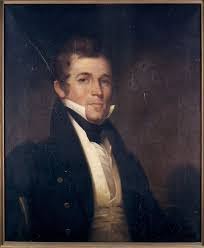
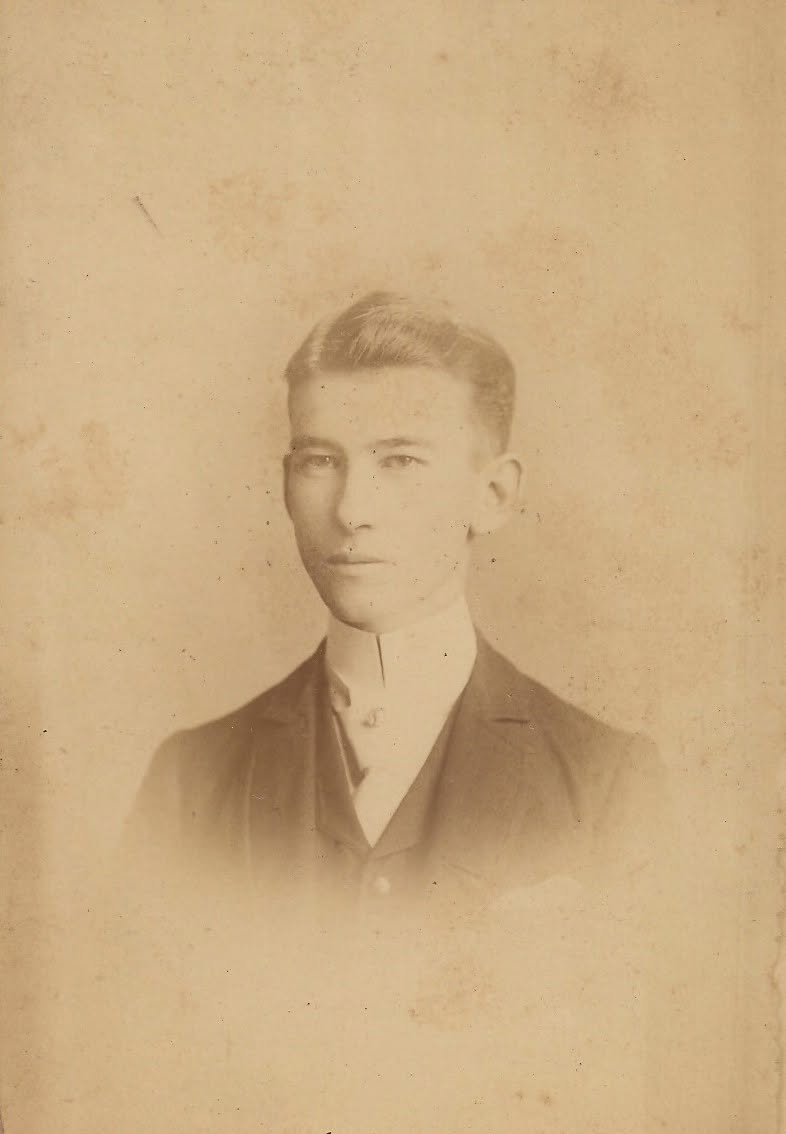
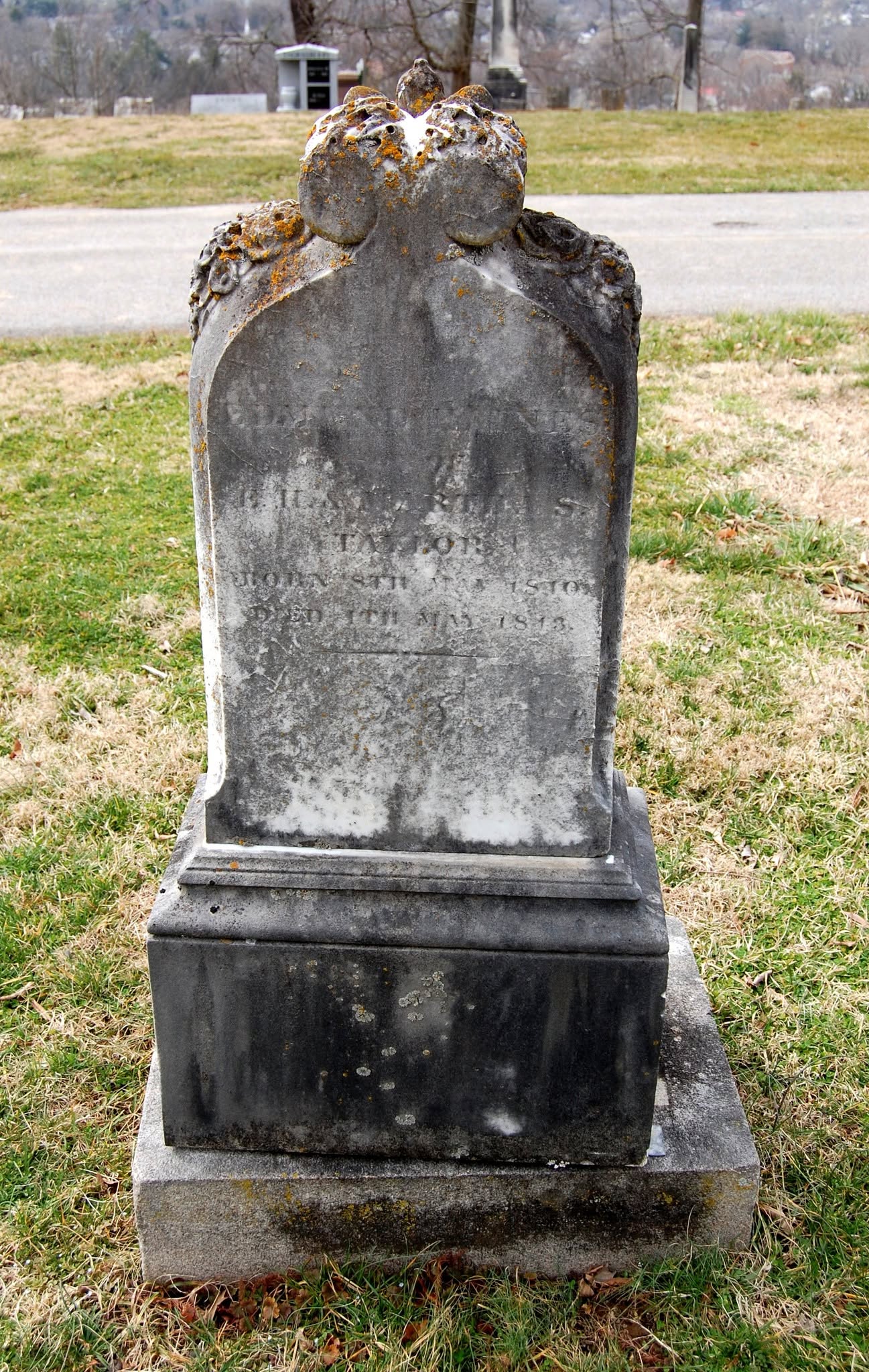
Edmund Taylor, Sr. did have a son that he and his wife, Martha Southgate Taylor, named Edmund Haynes Taylor, Jr. Unfortunately, the couple lost that son 4 days before his third birthday in 1843. After taking Edmund under his wing in the 1850s, he began to refer to him as Edmund H. Taylor, Jr.- but only to differentiate his nephew from himself. While it may seem macabre at first to place his nephew in the role of his lost son, it’s worth adding that Edmund Taylor, Sr. went on to have ANOTHER son in 1868 who he ALSO named Edmund Haynes Taylor! This young man, though he was his ACTUAL son, took on the moniker of Edmund Haynes Taylor II.
Before we continue, it should be said that the Taylor family was lousy with men named “Edmund Taylor.” Following the ancestry of the Taylor family is an exercise in mapping birth and death dates! It’s the only way to figure out which Edmund Taylor is which! Throw in the fact that E. H. Taylor, Sr. was NOT the father of E.H. Taylor, Jr. and the fact that the internet is CHOCK FULL of inaccuracies about E.H. Taylor, Jr…and you’re left with a great big mess.
*E.H. Taylor, Sr. (1799-1875) had four wives during his life.
1. His first marriage on October 2, 1821 was to Elizabeth S. Clay, daughter of Porter Clay and niece of KY statesman and diplomat, Henry Clay. (Edmund was friends with Henry Clay.) Unfortunately, she died just one year and one week after their wedding day.
2. Edmund Sr.’s next marriage was to Louisa Brown Hart, niece to Henry Clay’s wife. Their son, Thomas Hart Taylor, was born on July 31, 1825. Thomas Hart Taylor would go on to become a general for the Confederacy during the Civil War. Thomas H. Taylor married Sarah Blanton, daughter of Harrison Blanton. (Remember that name because he’ll come up again!)
3. His third wife was a third cousin, Martha Southgate Taylor of Newport. They were married on September 21, 1831. They had three children, one of whom they named Edmund Haynes Taylor, Jr. Unfortunately, this son, who was born on May 8, 1840, did not live to see his third birthday.
The Edmund Haynes Taylor, Jr. recognized for his connection to the bourbon industry was NOT Edmund, Sr.’s son. The bourbon icon’s father was John Eastin Taylor, younger brother of Edmund H. Taylor, Sr. More than a decade after John E. Taylor’s death (1835), his son would become Edmund, Sr.’s ward. The fact that the two men shared a name would have caused confusion, so the younger Edmund was referred to as E.H. Taylor, Jr.
Martha Southgate Taylor died in 1858.4. Edmund H. Taylor Sr.’s 4th wife was Elizabeth Sarah “Bettie” Fall. They were married on February 12, 1861. They had three children, one of whom was named Edmund H. Taylor, as well. Because the Junior suffix was already taken, this Edmund, Jr. was referred to as Edmund H. Taylor II.
Part 2- Young Edmund in Frankfort, KY
I have been researching E.H. Taylor, Jr. these past few weeks because I was curious to find out how he came to be such an important figure in the American whiskey industry. I mean, I knew all about the grey-haired, litigious version of Taylor- the older, stately gentleman in the top hat. That’s the iconic, crotchety, distillery-owning version of E.H. Taylor, Jr. that I’d come to know through all the articles and books I’ve read about him. But I wanted to know more about who he was before his hair went grey. Who were the people behind the bourbon icon? It’s not as if this wealthy man did it all on his own, after all. My interest in learning more about E.H. Taylor’s origin story began last year while researching George T. Stagg. My curiosity returned a few weeks back during an online discussion about E.H. Taylor’s rowdy behavior as a politician. (He nearly punched a minister and DID punch a political rival!) I wanted to better understand where he came from and who or what might have influenced his behavior. I began to write about E.H. Taylor, Jr. childhood last week (see previous posts and family tree). Let’s pick up where we left off with Edmund, Jr. as a young man, returning to Frankfort, Kentucky after his years in New Orleans.
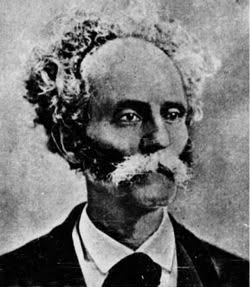
Most histories explain that Edmund, Jr. returned to Frankfort to attend B.B. Sayre’s School, but there are no specific dates to explain when he attended. It’s most likely that he returned while still a teenager, during the mid to late 1840s. Burwell Bassett Sayre, Esq. ran a preparatory school for Frankfort’s upper-class boys, readying them for college or an early entrance into their careers. Sayre was 20 years older than Edmund, Jr. and had been providing classical education (Greek, Latin, mathematics, law, etc.) in Frankfort since the early 1830s. He was also a wealthy, slave-owning member of Frankfort’s political upper class, so Sayre was highly respected and well-supported by the community. It was natural for E.H. Taylor, Sr. to want his ward enrolled at B.B. Sayre’s school. It had the finest reputation in the city for molding young men into successful leaders! After completing his education with B.B. Sayre, Edmund, Jr. went right to work for his uncle. E.H. Taylor, Sr. was cashier for the newly established Commercial Bank of Kentucky, so Edmund, Jr. began as a clerk for the bank.
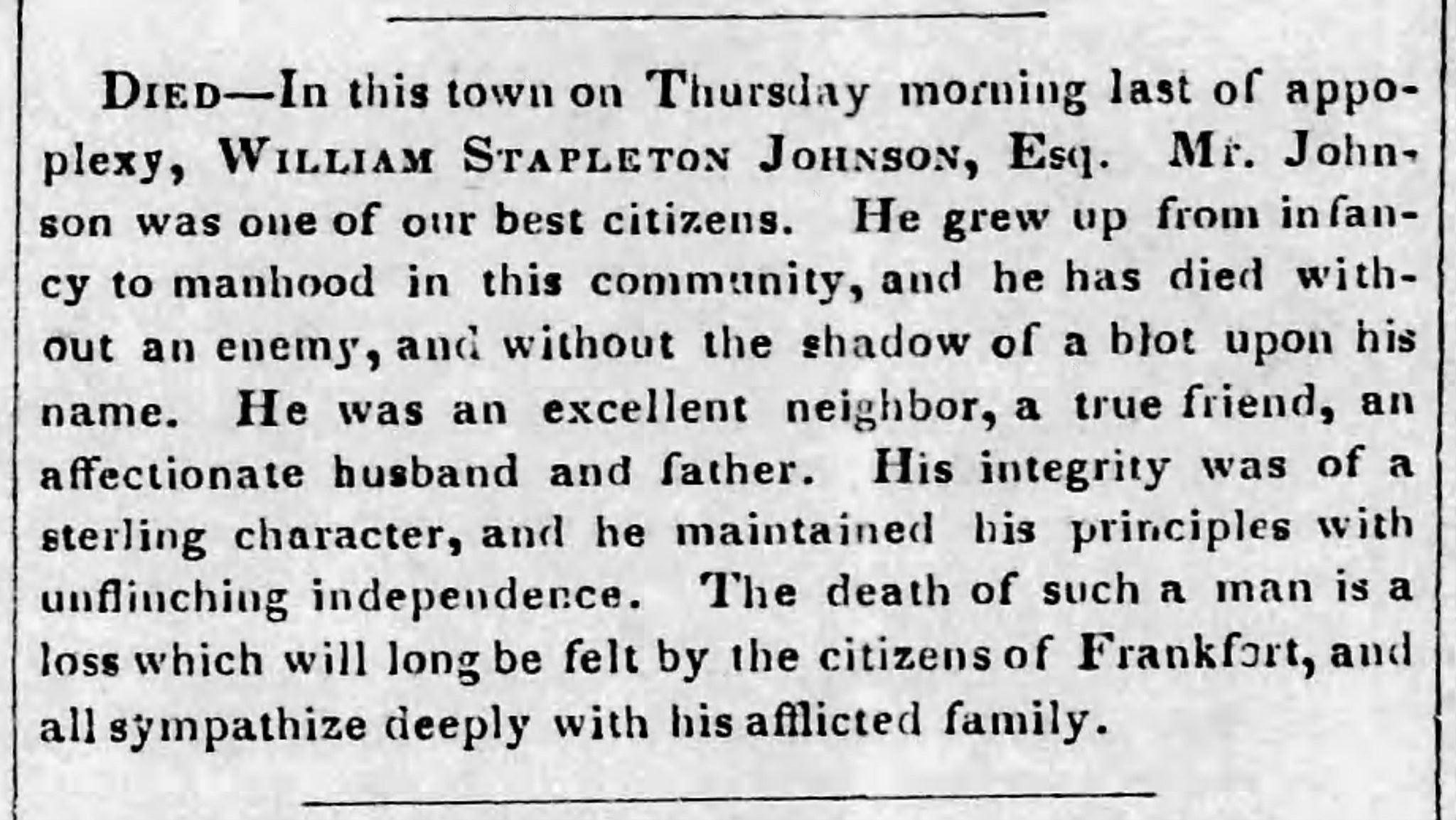
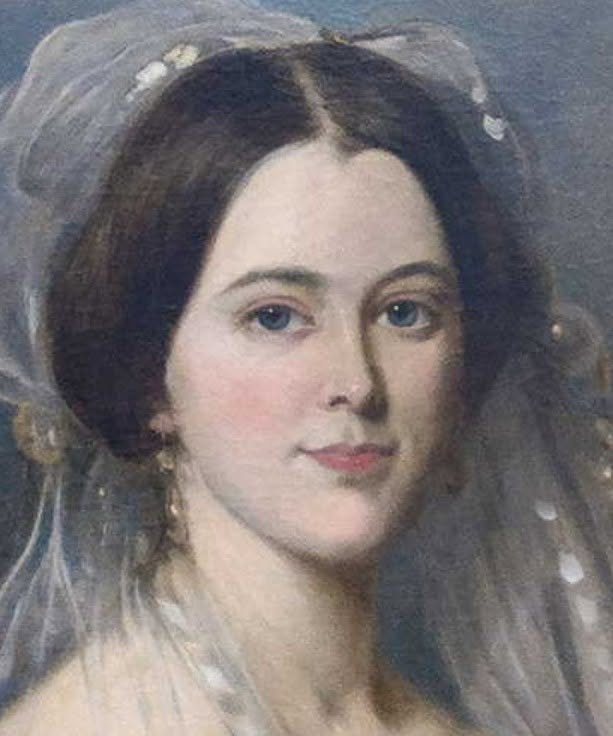
On December 21, 1852, 22-year-old Edmund, Jr. was married to Francis “Fannie” Miller Johnson (1832-1898), daughter of William Stapleton Johnson (1799-1839), a successful dry goods businessman that was well known and well-liked in Frankfort. Edmund’s young bride was a renowned beauty, and her family was very well connected. Fannie’s mother, Rebecca Miller Johnson, remarried after her father’s death in 1839, so when Fannie married Edmund, Jr. in 1852, it was her stepfather, Jacob Swigert, Esq., who became Edmund, Jr’s father-in-law. Fannie was quite close to her doting stepfather, so the Taylor family and the Swigert family became very closely knit. While Edmund’s uncle was cashier of Kentucky’s state bank, his new father-in-law was Clerk of Kentucky’s State Court (soon to be Judge Jacob Taylor in 1862). The marriage was very advantageous, both politically and financially, for Edmund.
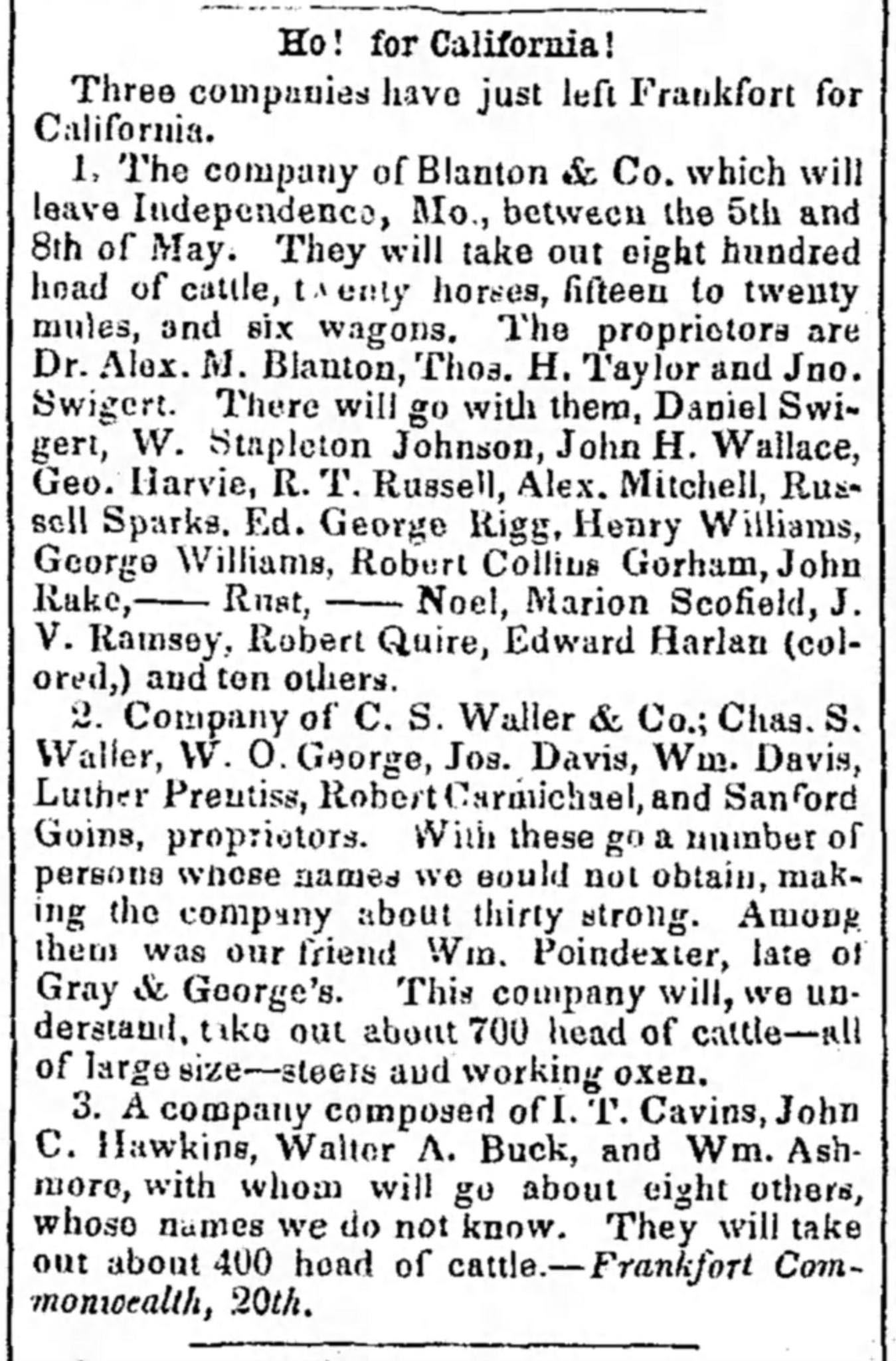 Soon after his marriage to Fannie, Edmund Jr.’s cousin, Thomas Hart Taylor (Edmund, Sr.’s eldest son), and his business partners began organizing an expedition to California. Thomas H. Taylor and his two business partners, Dr. Alexander M. Blanton and John Swigert, formed Blanton & Co. Their company’s expedition to California was meant to capitalize on the gold rush taking place there (1848-1855). Thomas H. Taylor’s wife, Sarah Blanton, was Dr. A.M. Blanton’s younger sister (both children of Harrison Blanton). Dr. A.M. Blanton’s wife, Emaline Weiseger Swigert, was John Swigert’s younger sister (both children of Jacob Swigert, Esq.). Their marriages made them brothers-in-law, but also made them cousins to E.H. Taylor, Jr.!
In May 1853, Blanton & Co. set out from Frankfort toward California with about 30 other local men, 800 head of cattle, horses and other valuable livestock, and 6 wagons loaded with goods. Among the men accompanying the caravan were 20-year-old Daniel W. Swigert, Fannie’s stepbrother, and W. Stapleton Johnson, Fannie’s brother. E.H. Taylor, Jr. was conspicuously absent from the caravan; Instead, while they were gone, he left his position as cashier at the Lexington branch of Kentucky’s State Bank and founded his own private banking firm. His new firm, Taylor, Turner & Co., began advertising its formation in July 1853. In December 1853, just before Christmas and 5 months after setting out, the local newspapers announced the return of Thomas H. Taylor and Daniel W. Swigert to Frankfort. The men shared their optimism and predictions for the expedition’s success.
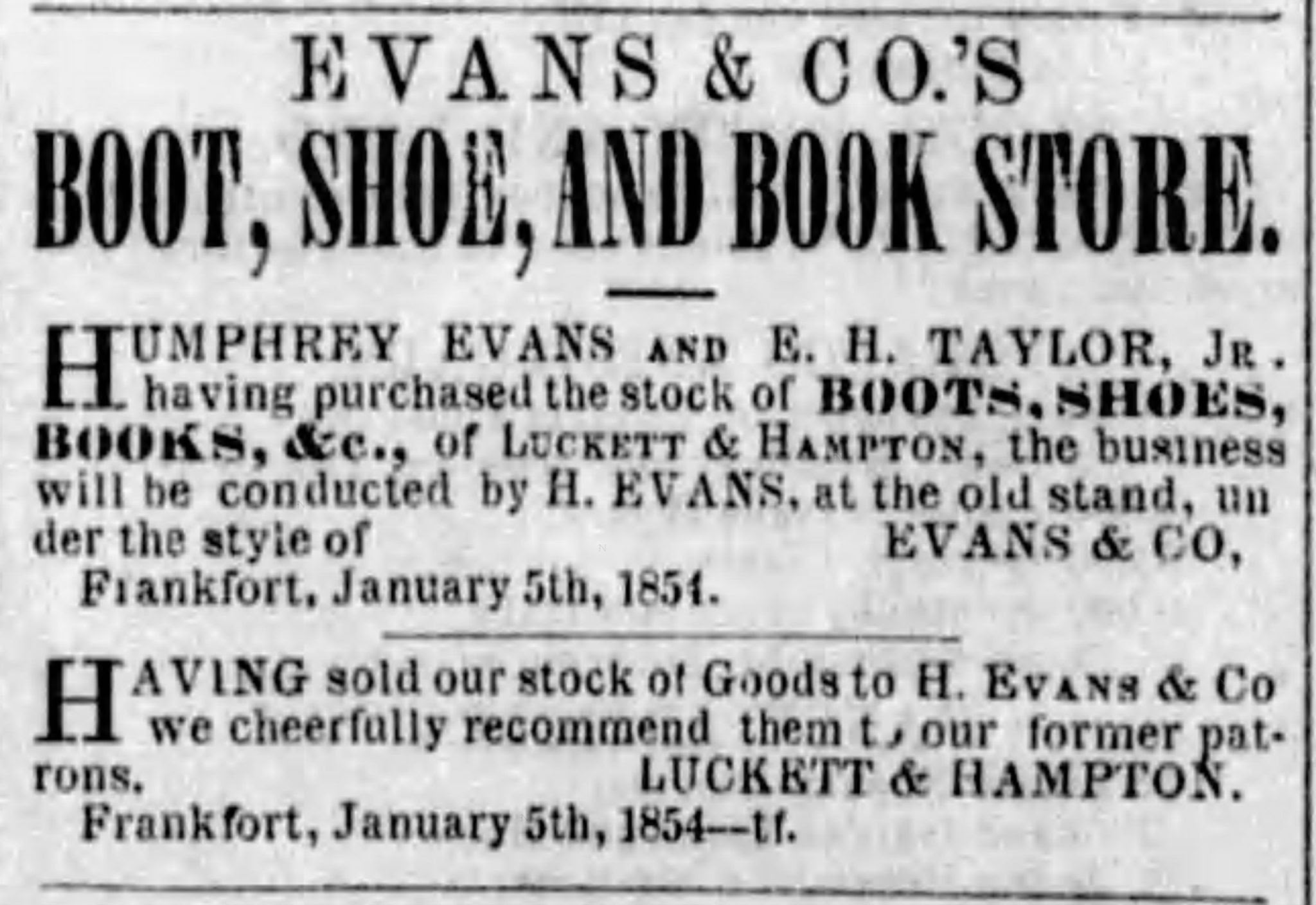
One month later (January 1854), E.H. Taylor, Jr. went into business with another member of his extended family, Humphrey Evans (1825-1879). Humphrey Evans was married to Lucy Weisiger Swigert (1829-1907), daughter of Jacob Swigert, Esq. and Edmund’s new father-in-law (Fannie’s stepfather). Edmund, Jr. and Humphrey Evans formed Evans & Co. which advertised itself as “a boot, shoe, and book store.” It’s interesting, at least to me, to see E.H. Taylor, Jr. partnering with one of Fannie’s older stepbrothers and taking a junior partnership in the business. Edmund was diversifying his business interests in Frankfort while simultaneously extending his banking interests into Shelbyville (20 miles west of Frankfort via the Louisville Pike). There, he and his partners formed a branch for their private banking interests called Chas. Edington & Co. In February 1855, 25-year-old Edmund, Jr. sold his interests in Evans & Co., leaving the dry goods business behind to focus on his banking investments. He sold his shares of Evans & Co. to Daniel W. Swigert, which then became Evans & Swigert. (Remember Daniel W. Swigert? He was Fannie’s younger stepbrother and part of the expedition to California.) By 1857, Edmund opened another branch for his bank in Lexington (25 miles southeast of Frankfort via the Leestown Pike), this one called Taylor, Shelby & Co.
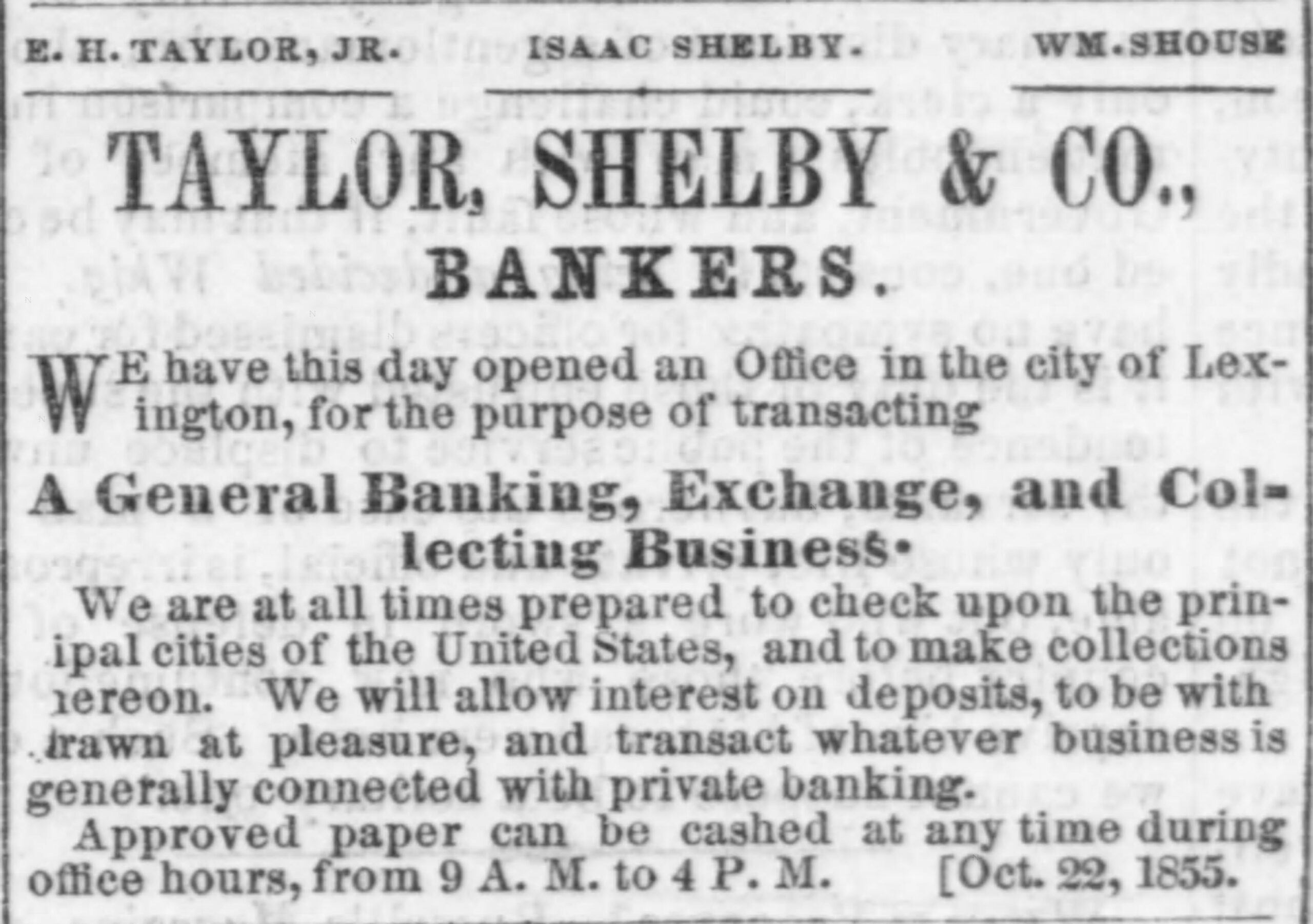
After several years of building out his private banking firms, E.H. Taylor, Jr. settled his interests in Lexington. When a new gold rush began in 1859 at Pike’s Peak in Colorado, Edmund, Jr.’s bank was quick to respond and set up an exchange agency to capitalize on the rush. As Edmund was entering his 30s in the 1860s, he was becoming more politically motivated, as well. The Civil War was approaching and Edmund, Jr. was endorsing John Bell and Edward Everett for President and Vice President of the United States. Bell and Everett ran on the Constitutional Union party ticket, which was neutral on the issues of slavery in the United States. (The party was formed mainly by former Southern Whigs who did not want the issue of slavery to lead to secession.)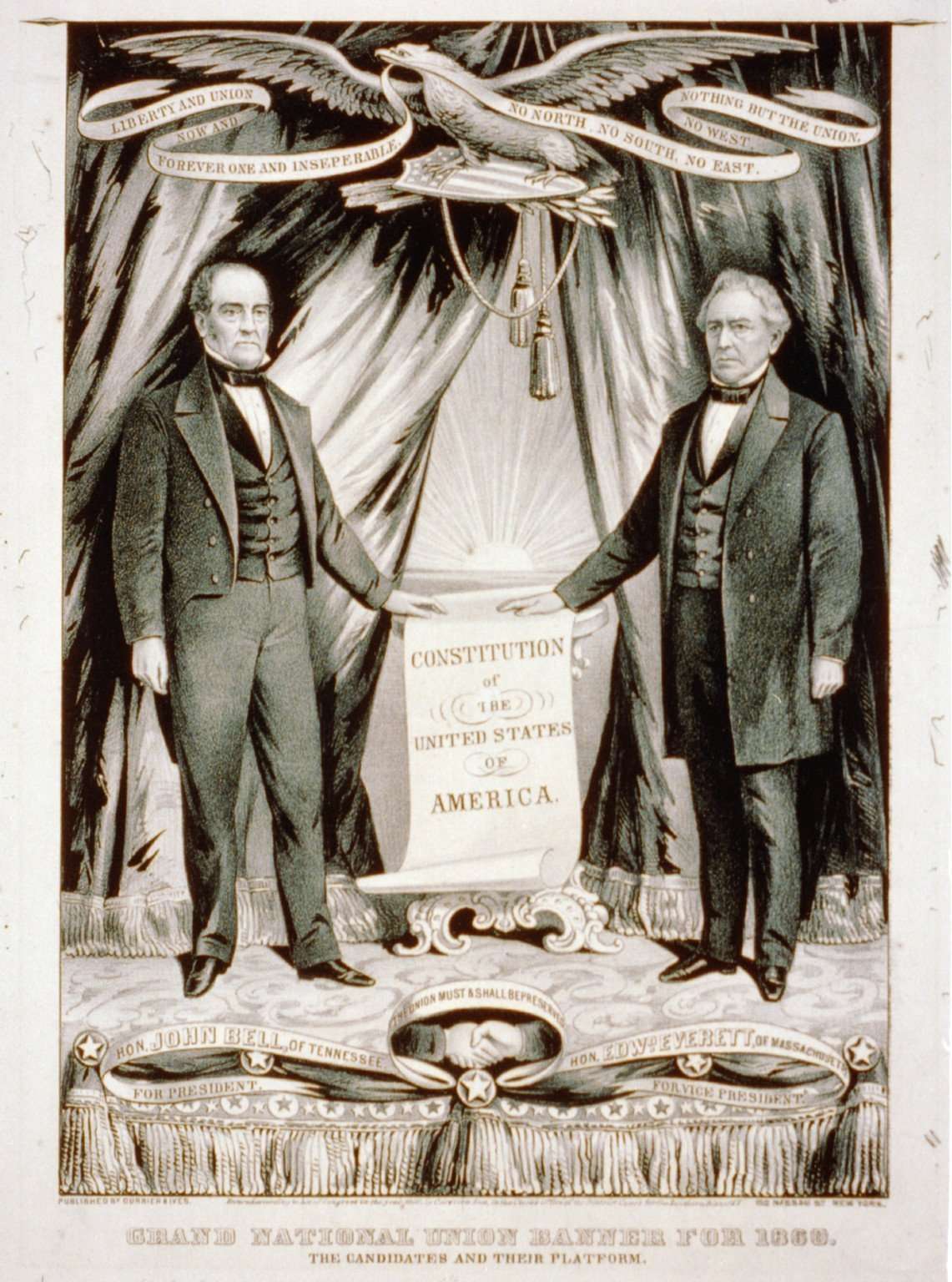
Taylor’s movements through society were putting him in the same circles with whiskey traders. While still a dry goods businessman in the early 1860s, W.A. Gaines’ name begins to appear beside Edmund’s on planning committee lists in Frankfort. Robert P. Pepper, a Frankfort-based distillery owner, also begins to appear. The mid-1860s brought the Civil War, and with it a great deal of change. Edmund did not serve as a soldier during his lifetime, by the way- his title of Colonel was an honorific given to him by the governor of Kentucky later in life. We’ll look at what happens with E.H. Taylor, Jr. in the late 1860s soon…
While these businesses and relationships may seem arbitrary to a modern whiskey enthusiast, they represent E.H.Taylor Jr.’s personal experiences and investments BEFORE he became involved in the whiskey industry in the late 1860s. Edmund Haynes Taylor, Jr. became a well-educated lawyer, banker, and businessman with the aid of his extended family. His business and legal connections in Frankfort were established early on through his uncle, then through relationships gained by his marriage to Fannie Johnson, especially those of his cousins. It’s interesting to read the stories written during E.H. Taylor Jr. lifetime, because those stories omit these connections, preferring to credit Edmund, Jr. with his own meteoric rise to success. I hope that by looking at who he was as a young man, it can help flesh out the man he became later in life.
Part 3- E.H. Taylor and Zachary Taylor
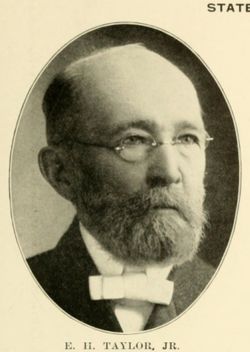 While researching E.H. Taylor, Jr., I found myself at a loss to explain his connection to Zachary Taylor. We’ve discussed how E.H. Taylor, Jr. became a highly motivated political creature during his adult years, so the idea of him living with a future president as a child is a great story! But, like so many great bourbon stories, it felt a bit far fetched. I needed to know more.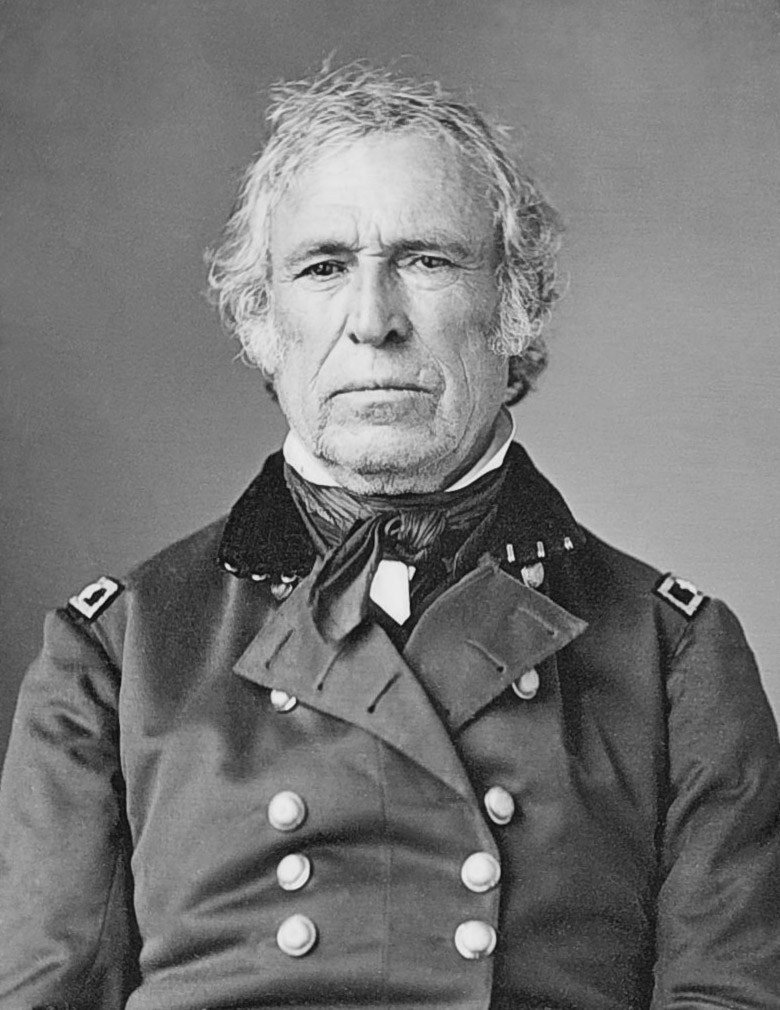
When you ask Google, “Did E.H. Taylor live with Zachary Taylor as a boy?”, Google’s AI is quick to reply:
“Yes, Colonel E.H. Taylor Jr. (1830–1923) lived with his great-uncle, future 12th U.S. President Zachary Taylor, in Louisiana for a period during his childhood. After his own father died when he was five, Taylor was sent to live with his uncle on a plantation, where he received a strong early education.”
A.I. can only draw from available sources, even if those sources are false or unvetted. Perhaps there are letters that corroborate E.H. Taylor, Jr.’s time spent with Zachary Taylor before he became President of the United States in 1849, but the more I looked at the evidence, the less likely it appeared. The bit at the end there- “…sent to live with his uncle on a plantation”- That bit seems, at least to me, to be where some “bourbon lore” may have been cooked up. Who wouldn’t want to read a story about the future “Father of Bourbon” being sent to live with a future president after losing his father to typhus at the age of five?! Setting aside the fact that E.H. Taylor, Jr.’s mother was very much ALIVE after his father’s death and that the New Orleans-based school where he was enrolled (Gabriel Boyer’s French Academy, school for boys, at 123 Conti Street) did not enroll children that were as young as five…well, something felt off.
I wanted to understand a few things.
1. Where did this claim come from?
2. How were E.H. Taylor and Zachary Taylor related?
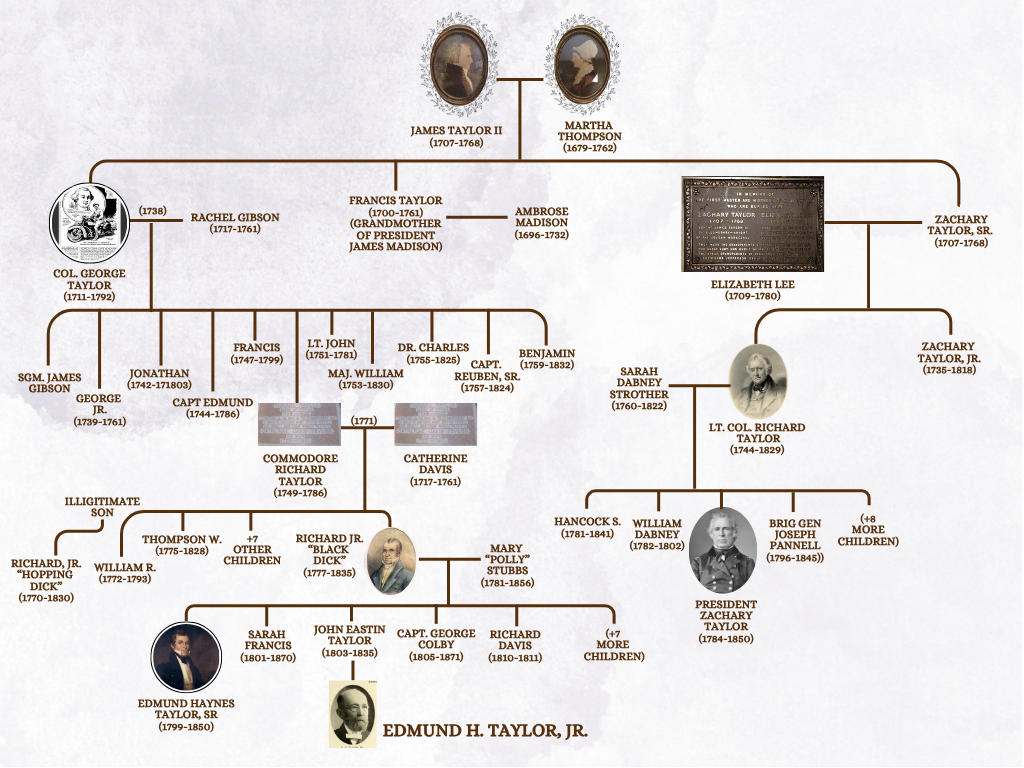
I began by investigating the ancestry of both men, which was no easy task. So many of the available references (online) to both men’s ancestries were conflating relatives of the same name and/or confusing parentage! I decided to create a family tree of my own using as many references as I could find. Eventually, I was able to work out who was who. The results are below. You can see how Zachary Taylor could have been considered E.H. Taylor, Jr.’s “great-uncle”, but the relation was not as direct as one might assume. They were 4 generations removed from being direct relations of one another. Families are fluid things, and it’s certainly possible that Zachary Taylor could have been considered E.H. Taylor’s “great-uncle” (with a few removals here and there), but I think it’s likely that something got lost in translation here.
Part 4- Who was Daniel Swigert?
While researching E.H. Taylor. Jr. this week, I came across a video that nearly made me spray the coffee I was drinking across my desk! It was a video explaining the origins of the Buffalo Trace Distillery. The video explained that E.H. Taylor, Jr.’s O.F.C. Distillery was built on land where the “Old Swigert Distillery” once stood. The part that shocked me was the portrayal of Daniel Swigert as an “ol’ country boy” and “a visionary.” The video showed an AI-generated caricature of an average-looking farmer’s son wearing suspenders, surveying large barrels in his warehouse. “Swigert saw a future where whiskey wasn’t traded like corn, it was crafted like art,” said the terrible overdubbed voice. Now, I know bourbon loves a good story, but COME ON!!!
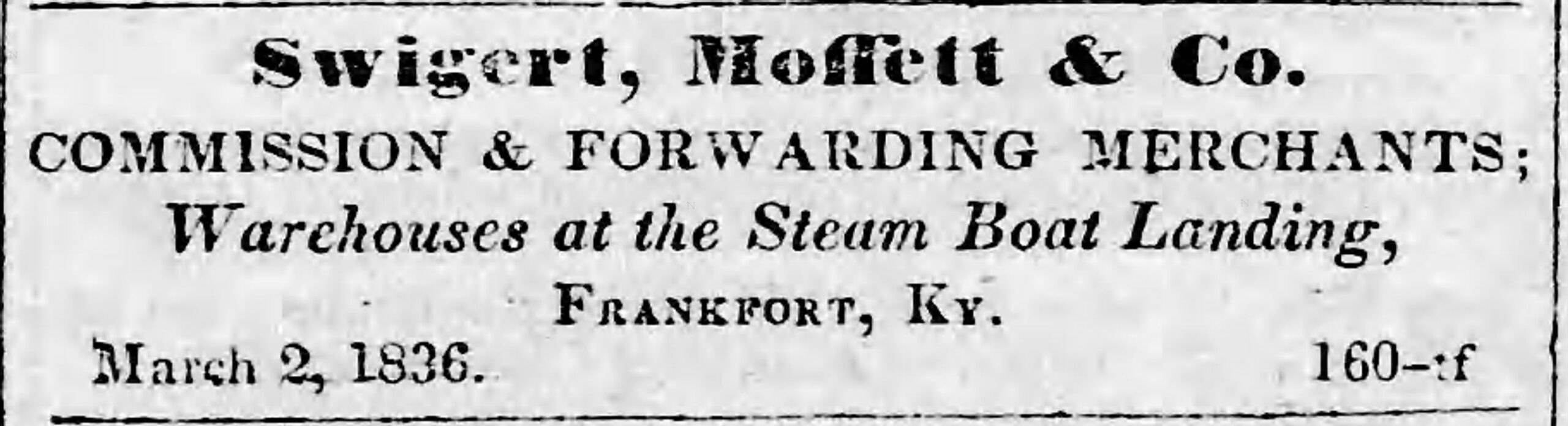
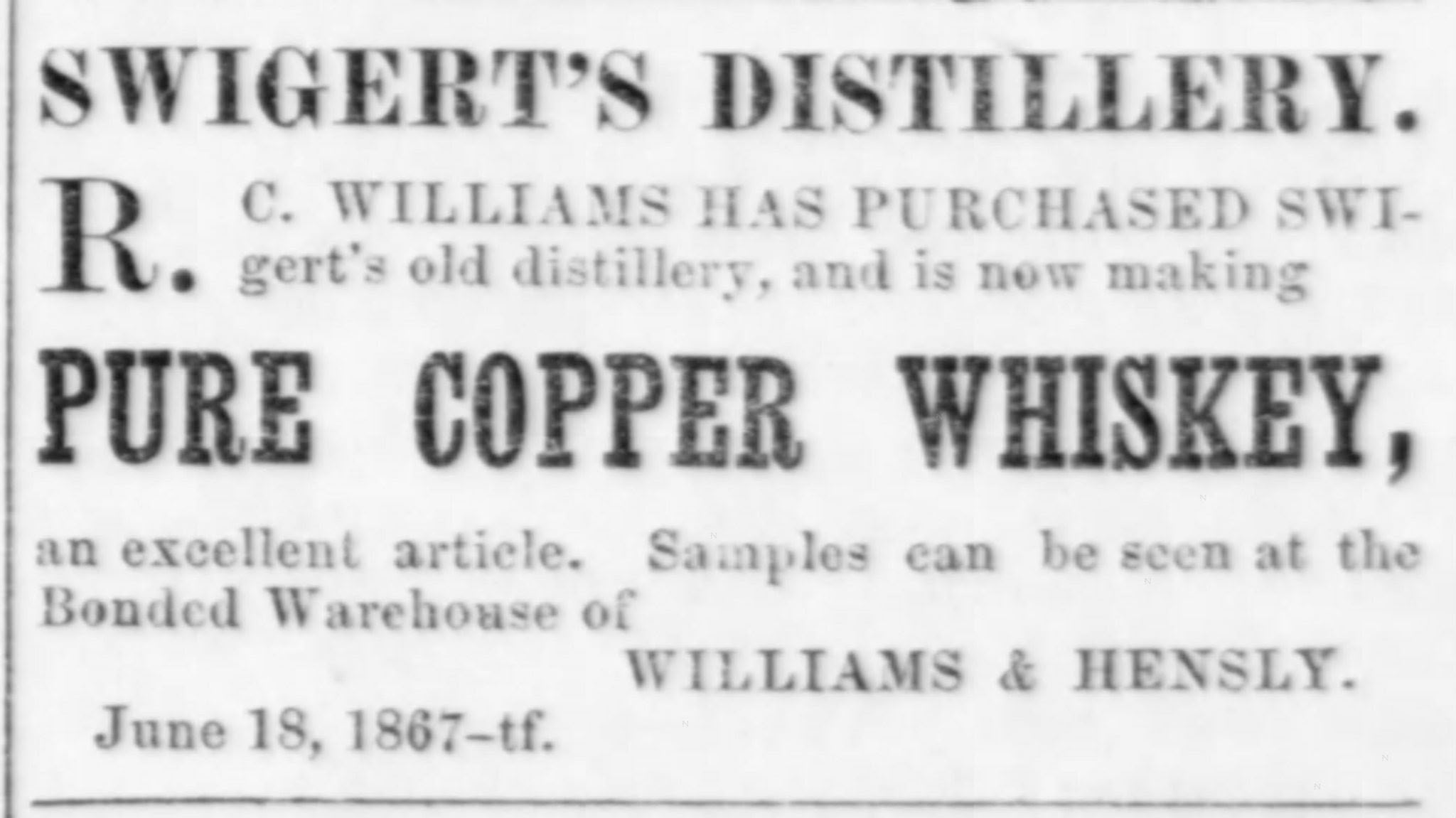
Daniel Weisiger Swigert DID build a distillery along the Kentucky River in 1858, but he built that distillery on family land already occupied by a warehouse which had been in use for decades. In fact, there had been a warehouse on that site in Leestown since 1811, though it had several owners before the Swigert family put their stamp on it. The warehouse DID store barrels of whiskey, but it also stored all manner of merchandise. Daniel’s father, Jacob Swigert, and his uncle, Phillip Swigert, were successful lawmen and businessmen in Frankfort during the early 1800s. The Swigert brothers partnered with Robert A. Moffett, Robert J. Ward, and Chapman Coleman in 1834 to form Swigert, Moffett and Co., a wholesale grocery concern that received and shipped goods. 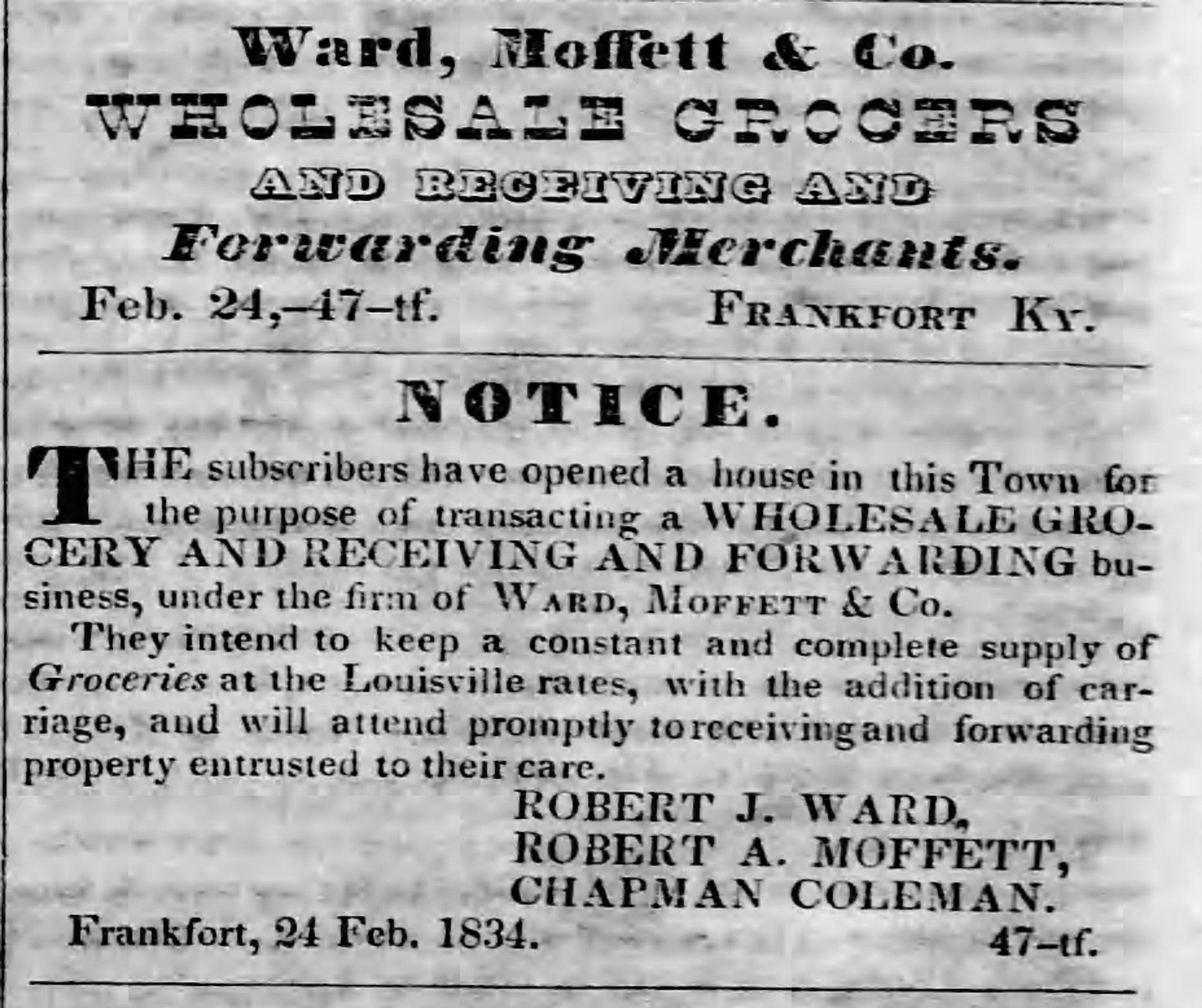
Jacob and Philip Swigert owned several storefronts in Frankfort (known locally as Swigert Row)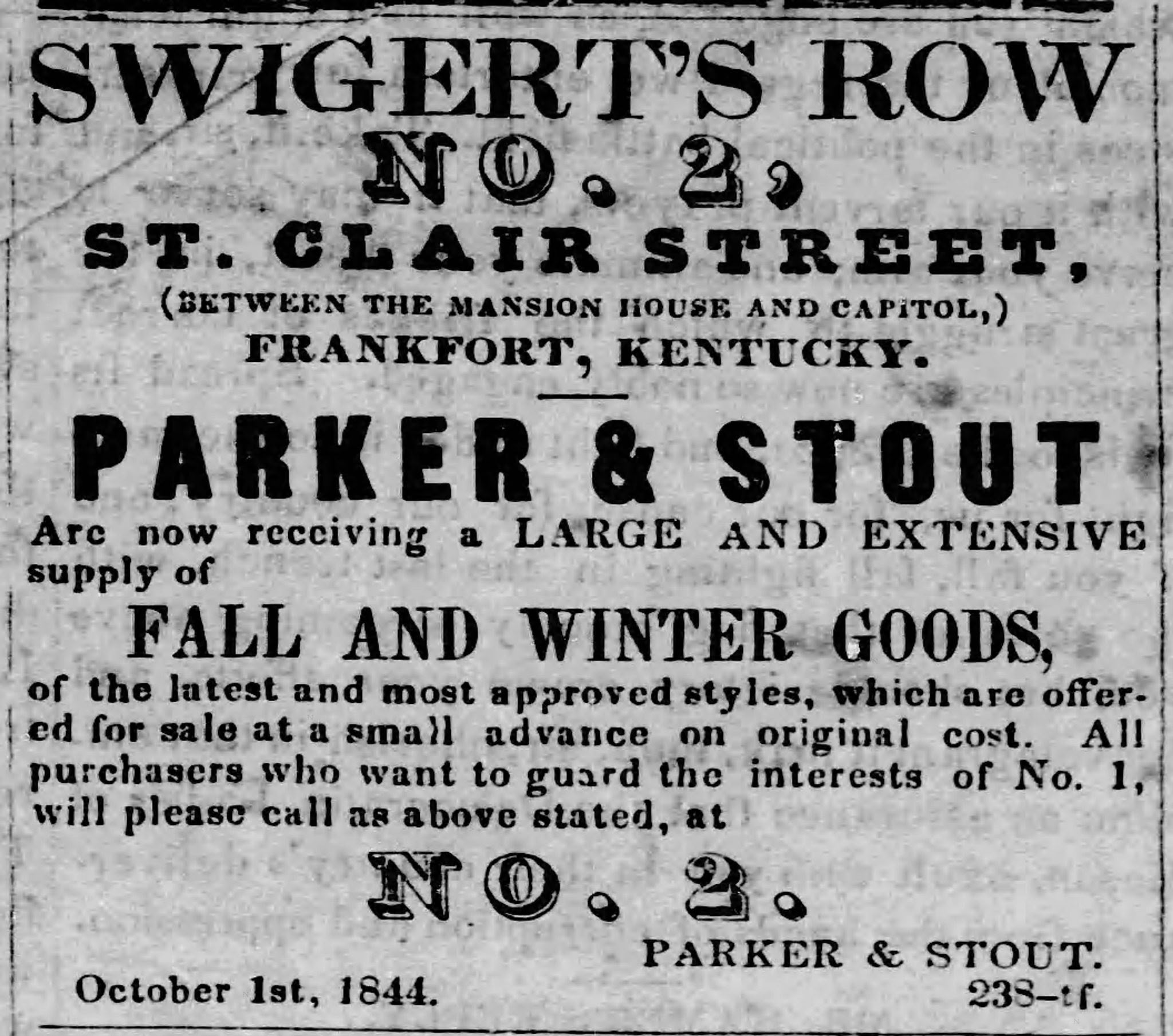 , and they also owned shares in a steam-boat packet company which ferried their goods up and down the Kentucky River. They used the wharf beside their riverfront warehouse to launch their steamboats. And when the first railroad lines were laid in Frankfort during the 1830s, the Swigerts invested in their construction and made sure their businesses had access to them. The location of the Swigerts’ warehouse in Leestown (and others like it along the Kentucky River) made it a busy one for river traffic.* Its position, about a mile downriver from (above) Frankfort, made it an ideal place for Daniel Swigert to build his distillery.
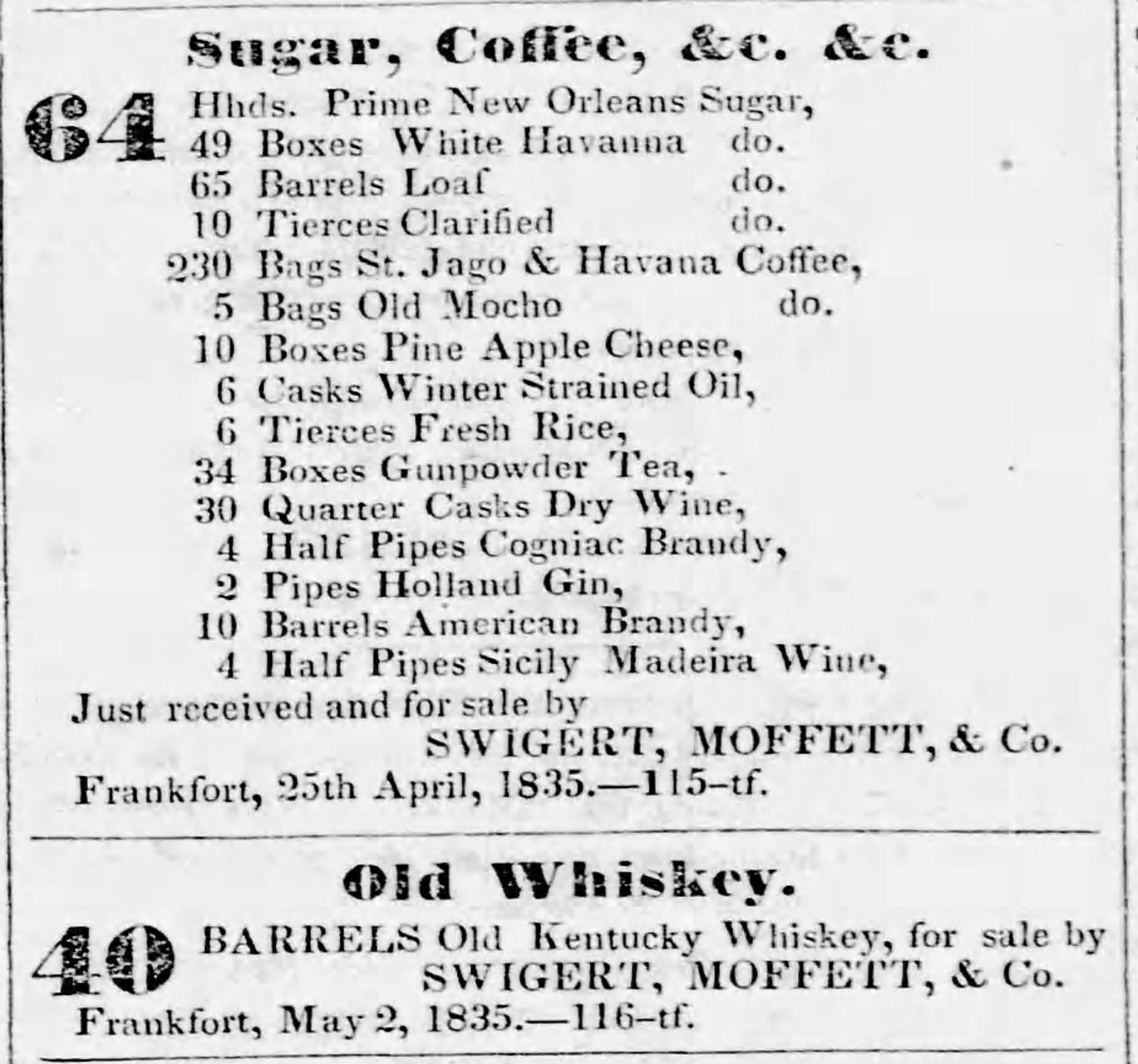
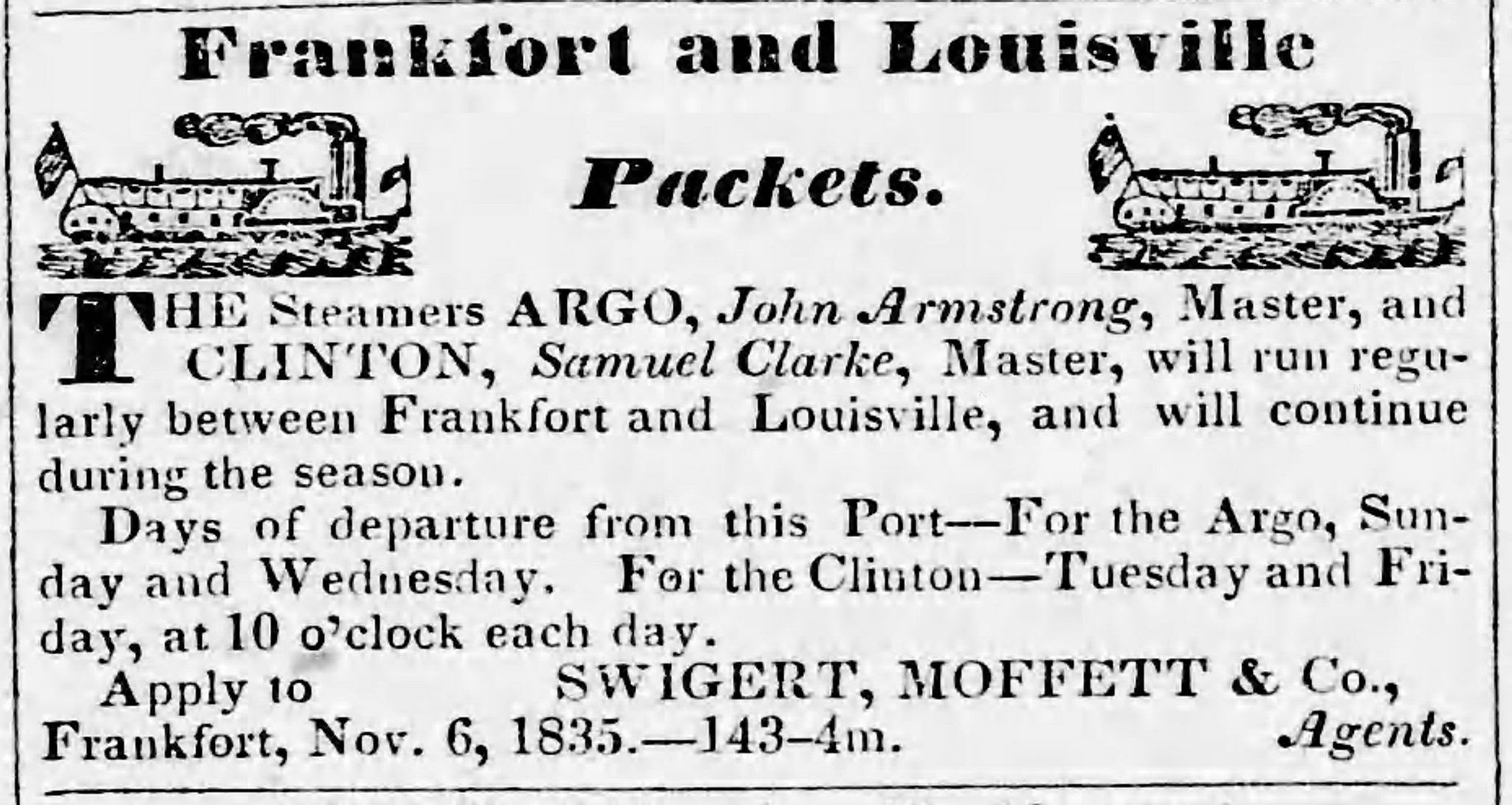
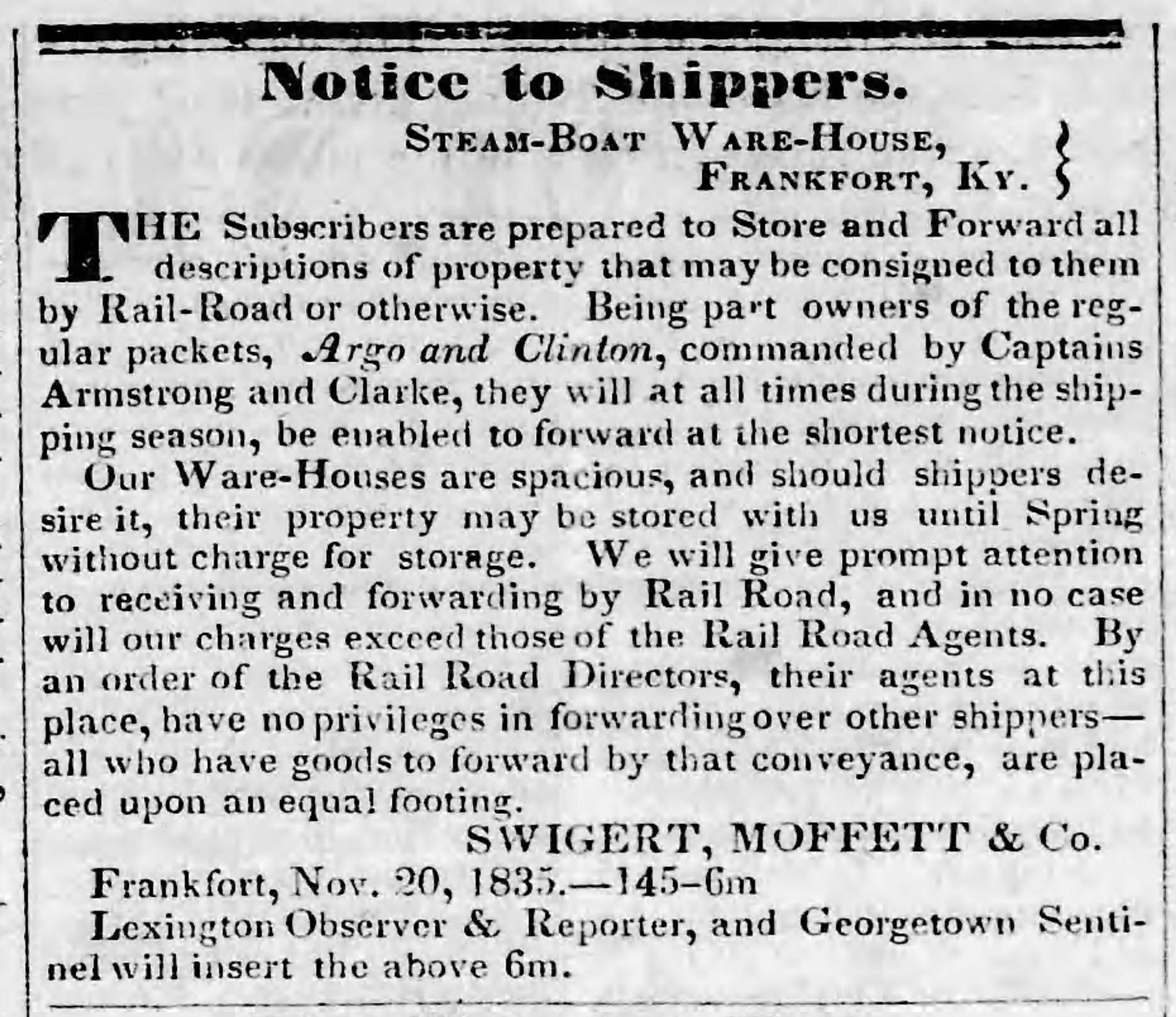
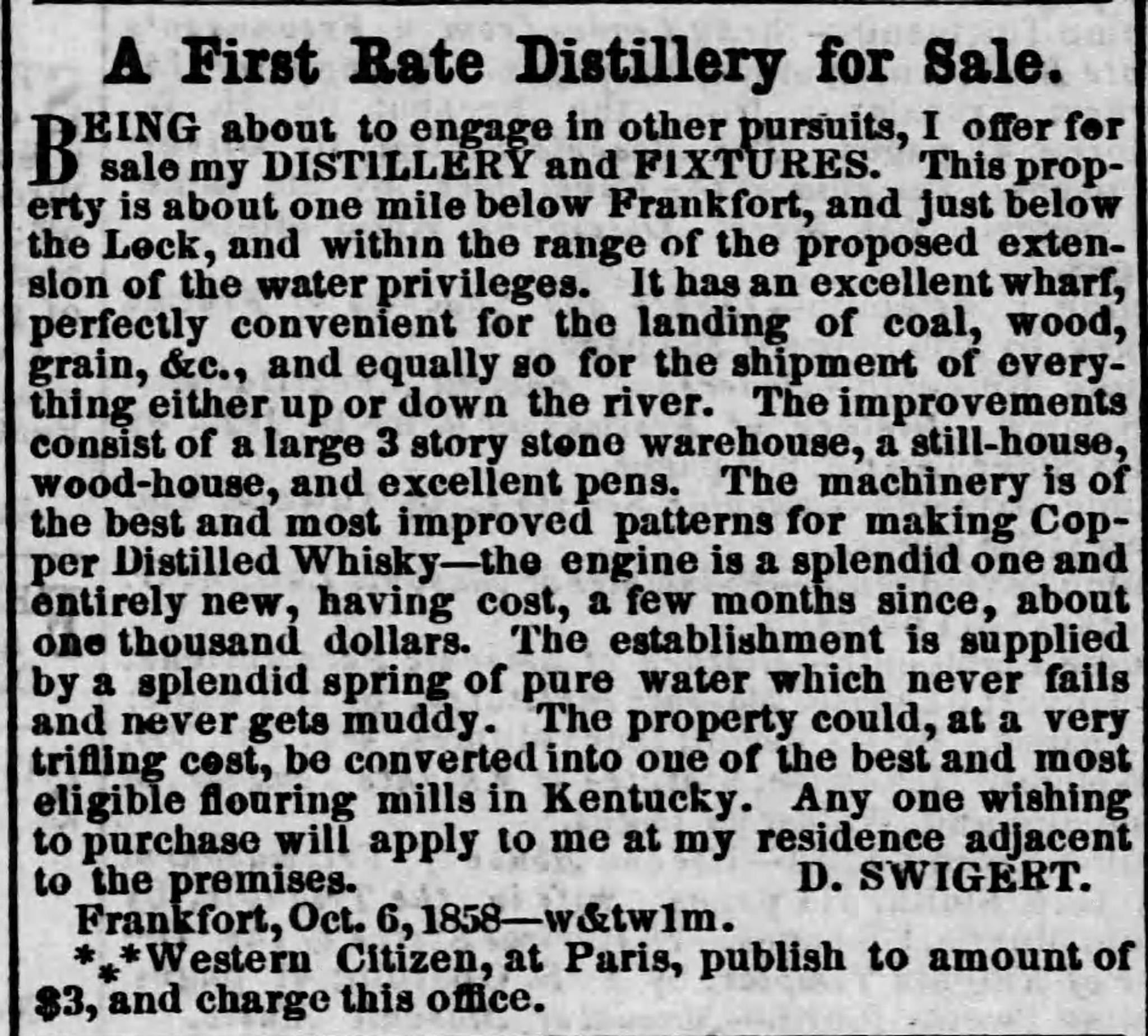
 Daniel Swigert described his distillery as having all the “best and most improved (equipment) for making Copper Distilled Whisky”, but he put it up for sale the same year it was built (1858)! He wasn’t building a legacy- he built what he thought would be a good investment, but it didn’t pan out the way he would have liked! The ads in Frankfort’s newspapers explained that Daniel had made “improvements consist(ing) of a large 3 story stone warehouse, a still house, wood-house, and excellent pens.” It went on to say that “the engine is a splendid one and entirely new, having cost, a few months since, about one thousand dollars.” One thousand dollars in 1858 is equivalent to approximately $40,000 today. That financial expenditure alone helps to show how financially capable Daniel Swigert had been when he made the decision to build. He may have been a young businessman, but he was NOT without means or financial support.
Swigert continued to advertise the sale of his own whiskey during the years 1859, 1860 and 1861, though the whiskey was always advertised as “3-year-old whiskey.” To be clear, the Swigerts had been advertising the sale of “old whiskey” since the 1830s. They certainly had their own sources for stocking whiskey in their Leestown warehouse, so there’s no telling if Daniel Swigert ever distilled a drop of his own whiskey.
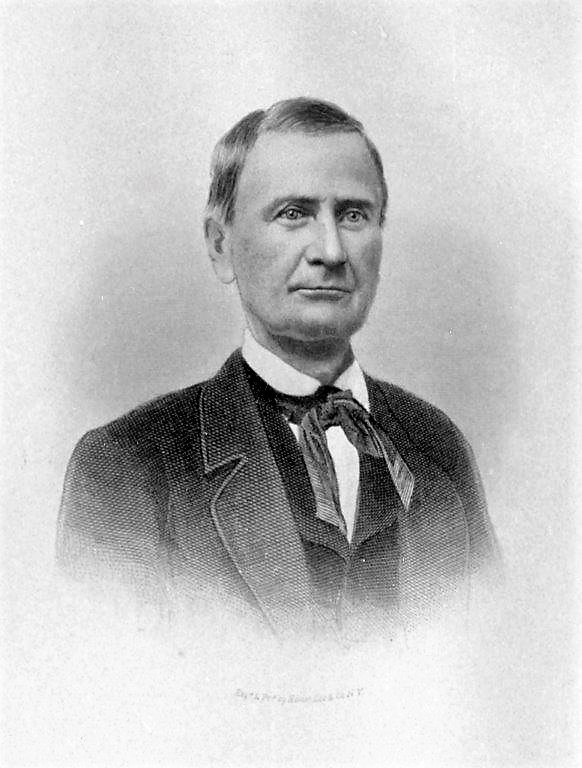
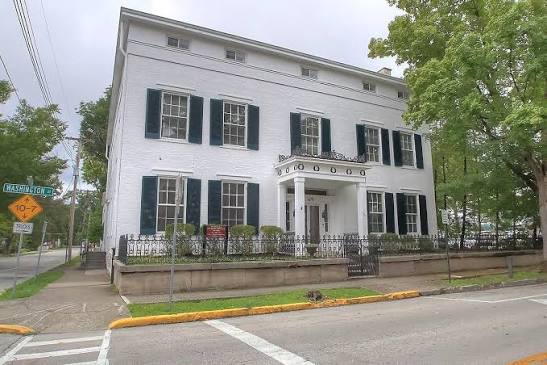
Daniel W. Swigert was born in 1833, which would’ve made him 25 when he built his distillery in 1858. Daniel was the son of wealthy lawyer/banker of excellent standing in Frankfort, and he had many connections through his family. (He certainly wasn’t the country boy he’s made out to be in the video!) His father, Jacob Swigert, was Clerk of Kentucky’s State Court (Judge of Franklin County Court after 1862). Jacob Swigert’s home in Frankfort is known today as the “Brown-Swigert-Taylor-Bradley House.” Daniel’s uncle, Philip Swigert, was Frankfort’s first mayor! Philip Swigert’s home in Frankfort was known as “The Terraces.”
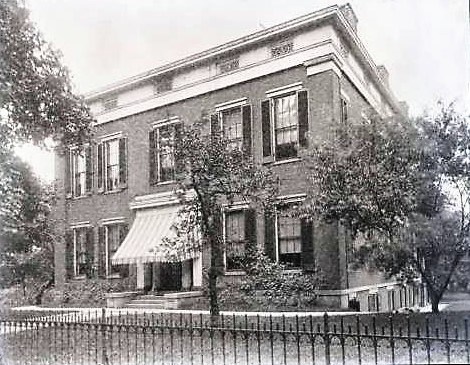
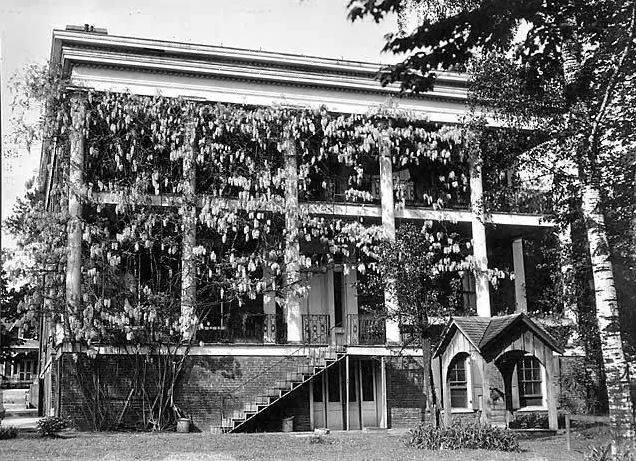
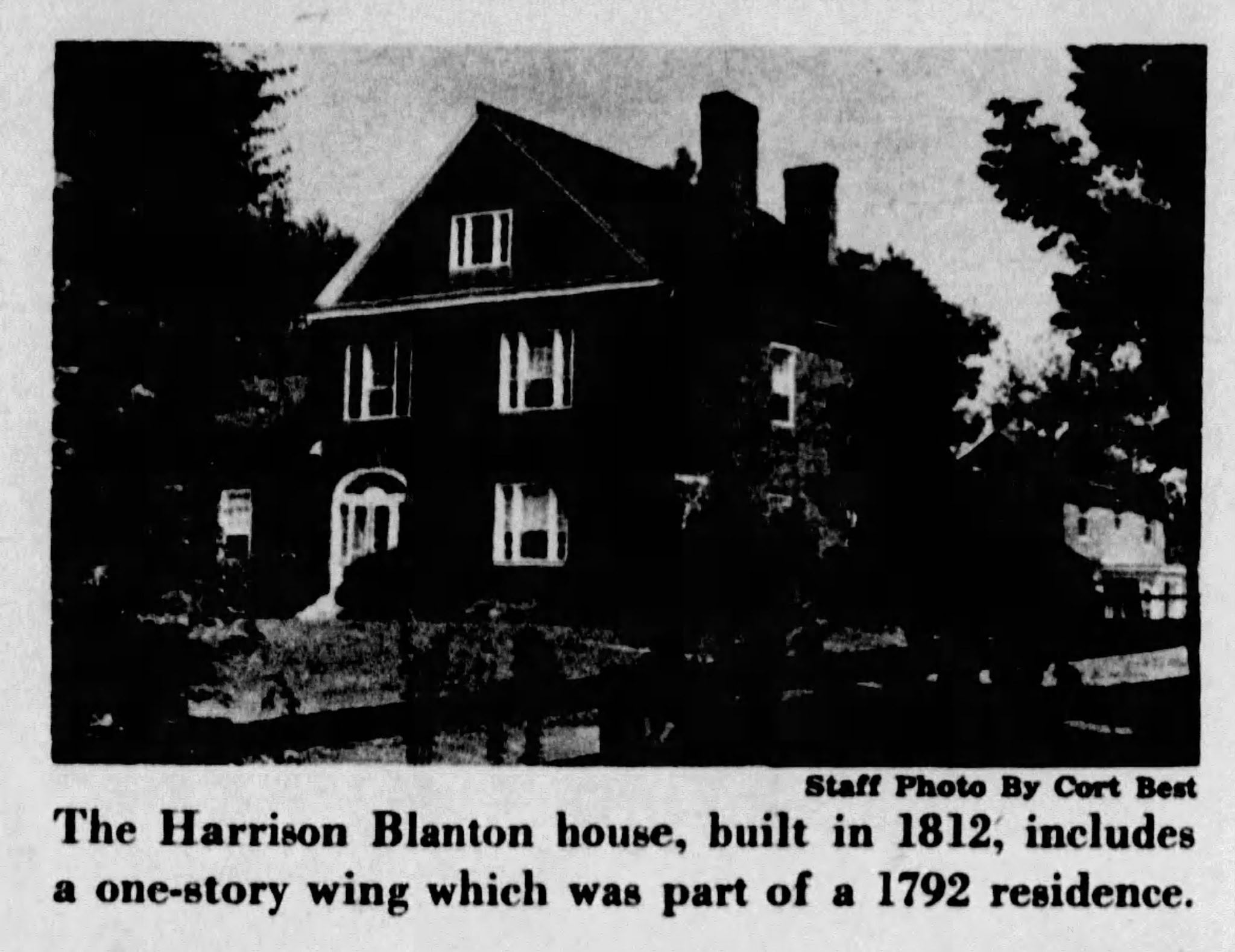
The Swigert family was quite wealthy, owned dozens of slaves, and quite a lot of land. Daniel’s sisters married well, so Daniel gained brothers-in-law who would take him on as partner in their businesses while he was still young. One older sister, Lucy Weisiger Swigert (b.1829), married Humphrey Evans, a successful businessman in Frankfort. Another older sister, Emaline “Emma” Swigert, was the wife of Dr. Alexander M. Blanton, eldest son of Harrison Blanton. Harrison Blanton is often described as a “distiller”, but his grandson, Albert Blanton (Yes, THAT Albert Blanton!), only ever described him as the owner of the land on which the Old Swigert Distillery was built. (A 1934 Vanity Fair article DID characterize Albert Blanton’s father, Benjamin Harrison Blanton, as a distiller, however.) Harrison Blanton (1791-1879) was a prominent figure- a lawyer, banker, and politician in Frankfort who supplied the building materials for Frankfort’s State House building and several other famous, historic buildings in town. The Blanton homestead, built in 1818 for Harrison Blanton, still stands today and is literally across the street from the entrance to Buffalo Trace Distillery off US Hwy 421 (Wilkinson Blvd).
Daniel Swigert was directly connected to E.H. Taylor’s family, as well. Daniel’s father and uncle were well-connected members of Frankfort’s political class, so they rubbed elbows with E.H. Taylor, Sr., cashier of the Commercial Bank of Kentucky. Daniel’s father, Jacob Swigert, Esq., was the stepfather of Fannie Miller Johnson. Fannie married E.H. Taylor, Jr. in 1852, so Daniel and Edmund, Jr. were brothers-in-law when he built his distillery in Leestown in 1858! One reference I came across even suggested that E.H. Taylor. Jr. was an investor in Daniel’s distillery, though if Edmund contributed any funding, it was more likely through a loan from his private banking firm, not from his own pockets.
(Daniel Swigert, Continued)
My previous post helped to explain how much E.H. Taylor, Jr. and Daniel Swigert relied on their extended families. I explained how in May 1853, when Daniel was only 20 years old, he joined a caravan of young businessmen headed out to California. The group, which meant to capitalize on the gold rush taking place there, included Thomas Hart Taylor (E.H. Taylor, Sr’s son and E.H. Taylor, Jr’s cousin), Dr. Alexander M. Blanton, and John Swigert (Daniel Swigert’s eldest brother), among many others. Thomas Hart Taylor married Sarah Blanton, daughter of Harrison Blanton.
I also explained in my last post that in February 1855, 25-year-old Edmund, Jr. sold his interests in Evans & Co., leaving the dry goods business behind to focus on his banking investments. E.H. Taylor, Jr. sold his shares of Evans & Co. to Daniel W. Swigert, which then became Evans & Swigert. Daniel also owned his own icehouse and advertised the sale of his ice through Evans & Swigert “bookstore” in 1856. Daniel’s advertisements for the sale of his distillery in 1858 explain that he was “about to engage in other pursuits.” Those “other pursuits” involved trading livestock for one of the wealthiest men in the country, if not the world, in the 1850s.
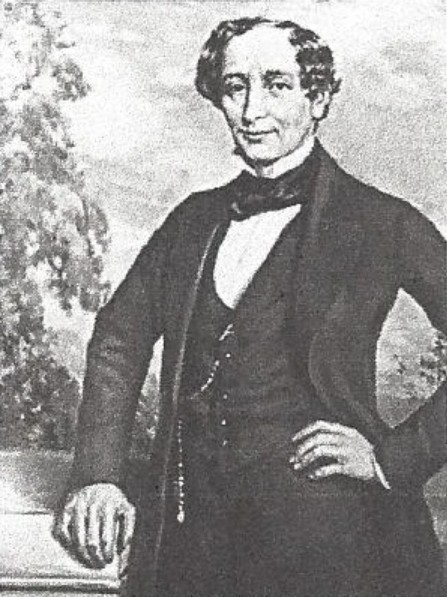
Another of Daniel’s brothers through marriage likely helped secure him a position working for R. Aitcheson Alexander (full name Robert Spreul Crawford Aitcheson Alexander, often referred to as R.A. Alexander). Lucas Brodhead, brother to Daniel’s wife, was the manager of Woodburn Farm at Spring Station. R.A. Alexander was an incredibly wealthy breeder of livestock and thoroughbred horses. His experience with livestock was gained during his years abroad as a young man where he became an heir to his family’s fortunes in Scotland. Upon returning to Kentucky in the late 1840s, R. A. Alexander established the famous Woodburn Farm on his family’s land. The farm is still active today, about 9 miles outside of Frankfort west along the Louisville Turnpike toward Midway. Daniel Swigert became a trusted employee at Woodburn stud farm. His experience working for R.A. Alexander during the 1850s and 60s helped make Daniel one of the most well-known thoroughbred breeders in Kentucky. In fact, MOST of the information that exists about Daniel Swigert is connected to his fame as a breeder and trader of thoroughbred horses. Daniel built his reputation working for R.A. Alexander (1819-1867), and for his son, Alexander John “A.J.” Alexander after his death. 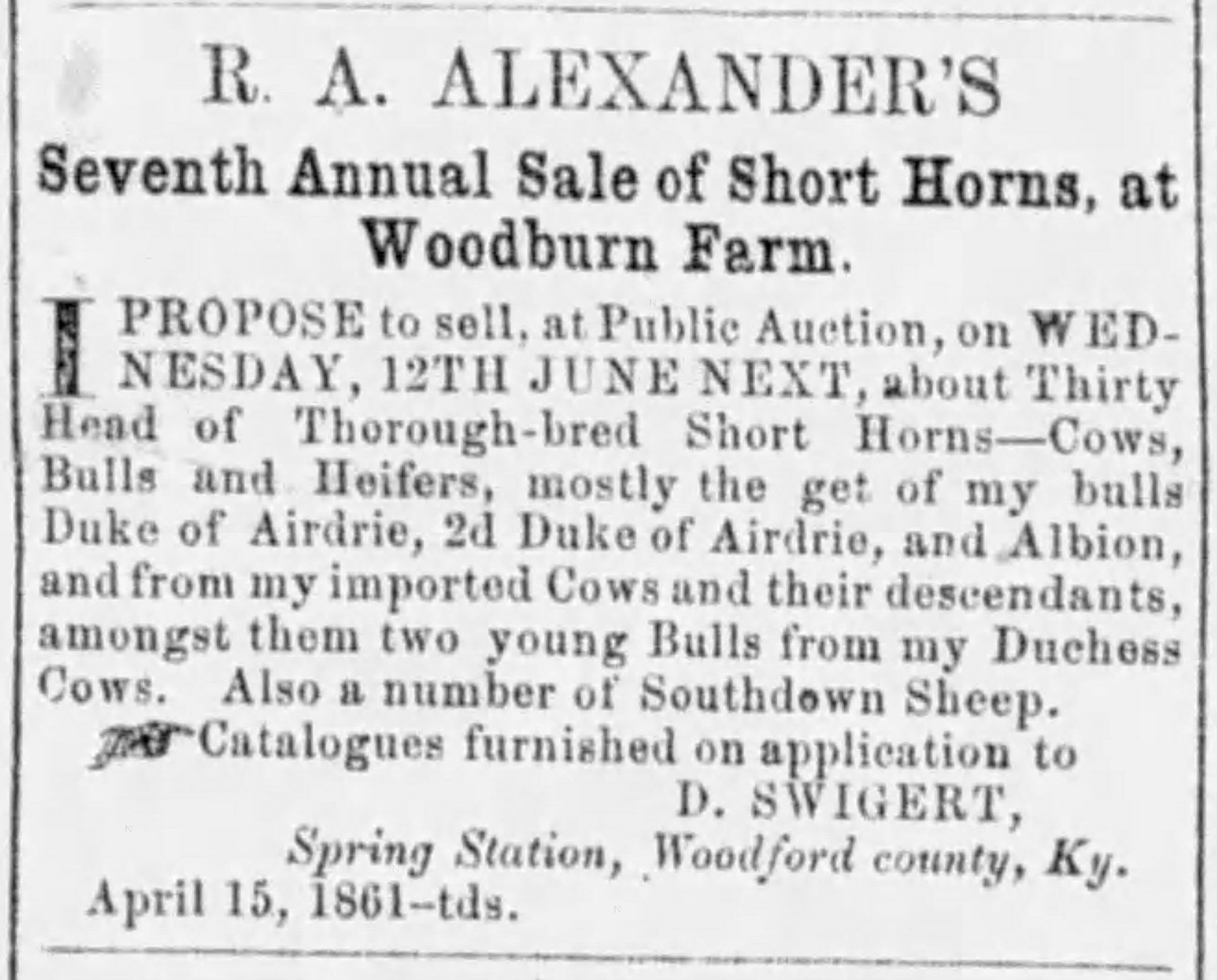 R.A. Alexander even left money to Daniel in his last will and testament. Daniel went on to establish his own stud farm, Elmendorf Farm, in 1881. He named the farm after his wife’s grandmother, Blandina Elmendorf Brodhead. Honestly, Daniel Swigert’s history is so closely tied to his connection to horse breeding that most references to him neglect to mention his early years as a businessman in Frankfort at all. Perhaps it’s not so odd that these dual histories don’t tend to cross. The distilling industry uses a handful of years from the late 1850s, and the racing industry uses the years after 1880, Daniel’s latter years. But no matter where you look, Daniel Swigert’s life was entirely influenced by the wealth and influence of his family. The same thing can be said for E.H. Taylor, Jr., by the way. Yes, even the distillery that would go on to become O.F.C. Distillery was a product of the collective influences of these families, even if its origin story is focused on Daniel Swigert.
After all that being said, I think I’ll avoid AI-generated videos on distillery history for the foreseeable future.
*Leestown is older than Frankfort and was established in Virginia before Kentucky became a state.
“First surveyed in 1773, Leestown was established in 1775 by Hancock Lee and Willis Lee; it was the first Anglo-American settlement on the north side of the Kentucky River. The settlement was recognized by the Virginia legislature in 1776, temporarily abandoned in 1777 due to attacks by Native Americans aligned with the British during the American Revolution, but reestablished soon after. Today, the site is within the city limits of Frankfort.”
Part 5- Enter, W.A. Gaines.
While I’m still digging into primary resource material on E.H. Taylor, Jr., I’m finding it difficult to continue without first providing more context. (There are so many rabbit holes!!!) The last part covered Daniel Swigert, so we’ve established some history behind the first distillery owned by E.H. Taylor, Jr. But as I began to consider how to approach E.H. Taylor, Jr. during the 1860s, I realized that I couldn’t do that without first addressing the men behind the man.
The Civil War may have slowed the progress of business in Frankfort during the early 1860s, but it also created an entirely new set of opportunities for men eager to seek them out. I found some new information that made me rethink what I thought I knew about W.A. Gaines, Hiram Berry, and the men behind those early efforts to make Frankfort a major distilling city. So many modern references describe Taylor as the founder of Gaines, Berry & Co., but that became less probable as I looked more closely at the timeline and the people involved. Gaines and Berry would have been unlikely partners before the war, but circumstances during and after the war formed unlikely partnerships!
W.A. Gaines’ full name was William Alonzo Gaines, Sr. He was born on March 7, 1832, which would have made him 2 years younger than E.H. Taylor, Jr. William’s son, William Alonzo Gaines, Jr. was born March 7, 1856. (See census records below. It was W.A. Gaines, Jr’s death cert. and his son’s birth cert. that revealed the truth behind the middle initial- I’ve seen it written that his name was William Albertus Gaines, but that name belonged to another Kentuckian in another county.) Gaines was NOT involved in the whiskey industry at all before partnering with Hiram Berry in 1867. None of the ads for his myriad of businesses mentioned liquor sales at all until after the war. (Honestly, I found that odd, don’t you?)
Hiram Berry wasn’t involved in the whiskey industry either! He was originally from Pennsylvania and worked as a carpenter in Frankfort until after the war! In fact, after praising his financial successes, Berry’s obituary described him as arriving in Frankfort in 1848 with “nothing but a saw and a hatchet.” He was born on January 16, 1821, which made Berry 11 years older than Gaines and 9 years older than E.H. Taylor, Jr. During the Civil War, Berry openly supported the Union cause and contributed by fulfilling war contracts. He also argued against the use of free labor from convicts over skilled craftsmen in Frankfort. The US Federal Census for Frankfort in 1860 lists Hiram Berry as a carpenter with $2500 of real estate. He wasn’t exactly the picture of a guy ready to jump into the liquor industry, and without the war, things may have gone quite differently for Mr. Berry.
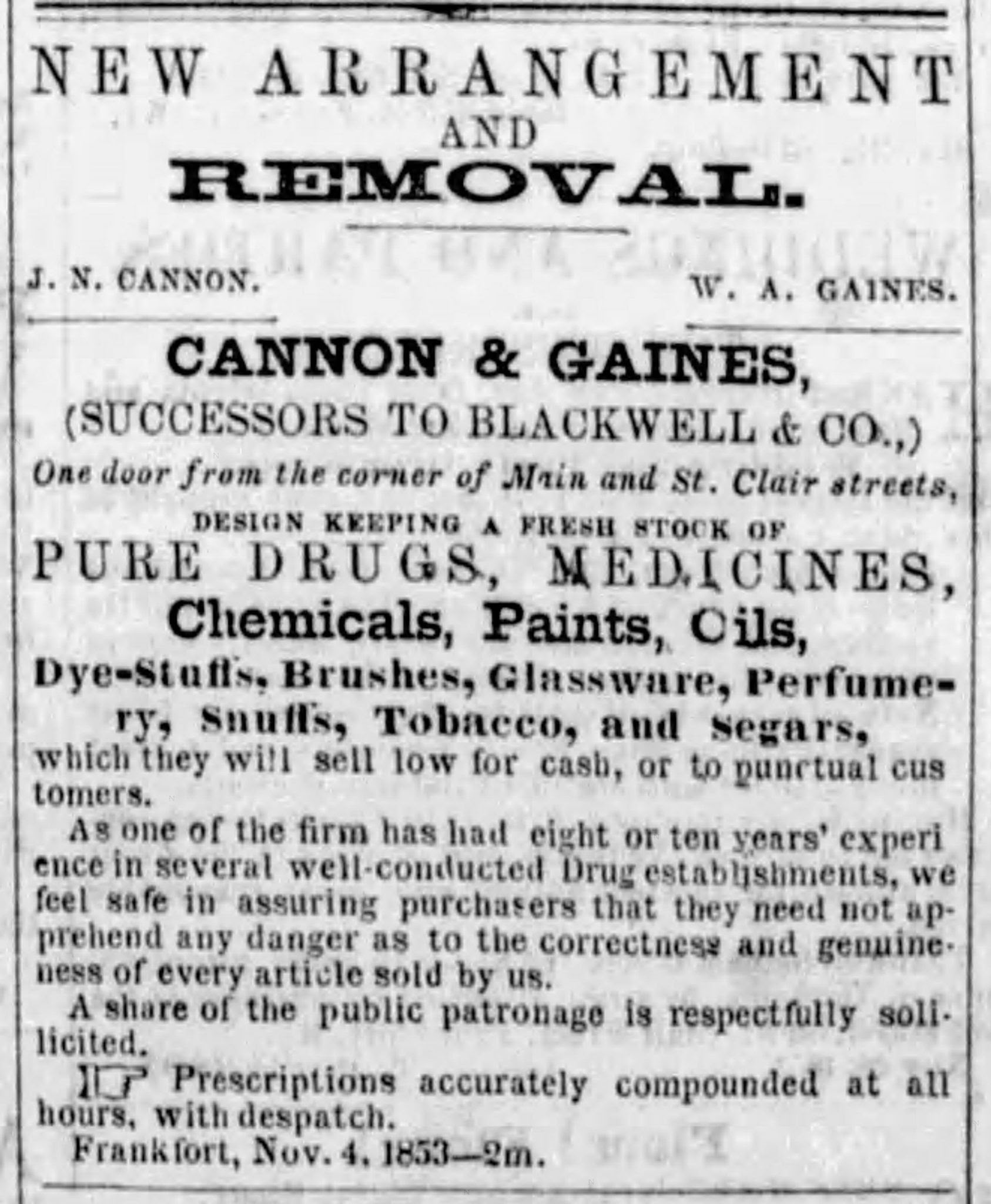 William A. Gaines had been a successful dry goods merchant in Frankfort during the 1850s and early 60s. He had business partnerships with several people- J.N. Cannon in 1853, a druggist with nearly a decade of pharmacy experience with whom he ran a store on St. Clair Street.
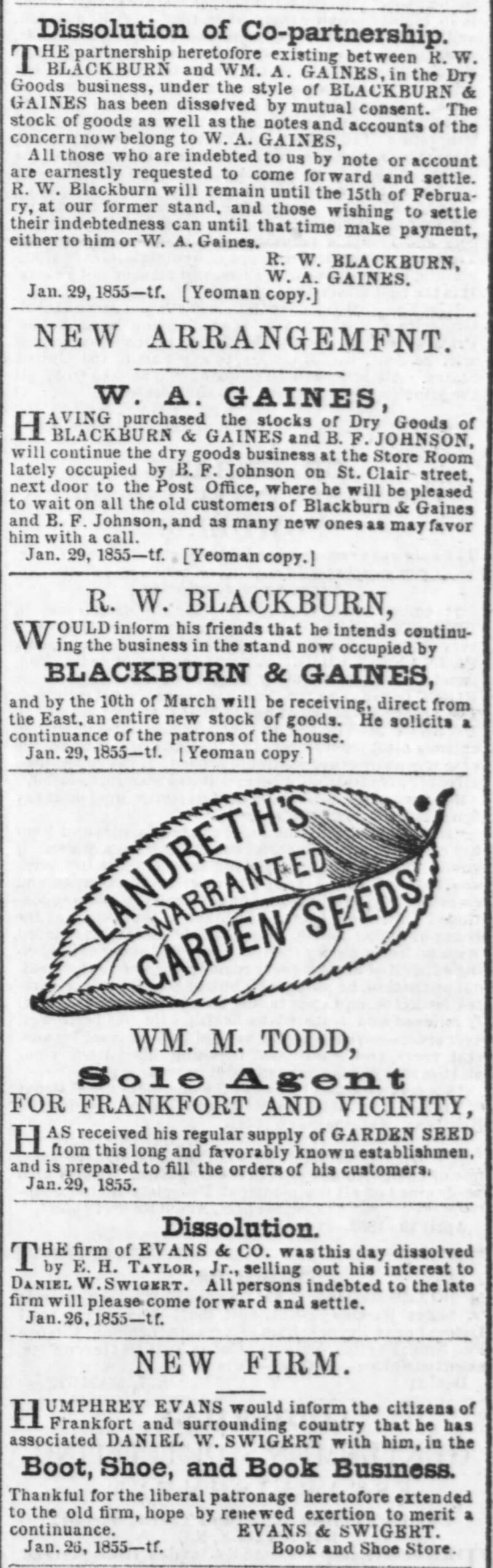
Their merchandise included drugs, medicines, and tobacco. (J.N. Cannon would end up as a druggist in Mississippi after the war when their partnership dissolved.) Later, he joined R.W. Blackburn as Blackburn & Gaines on Main Street in Frankfort in 1854. In 1855, Gaines consolidated the inventory of those shops and went into business with James R. Page, Jr. as Gaines & Page. Their new shop was located next door to the old post office on St. Clair Street.
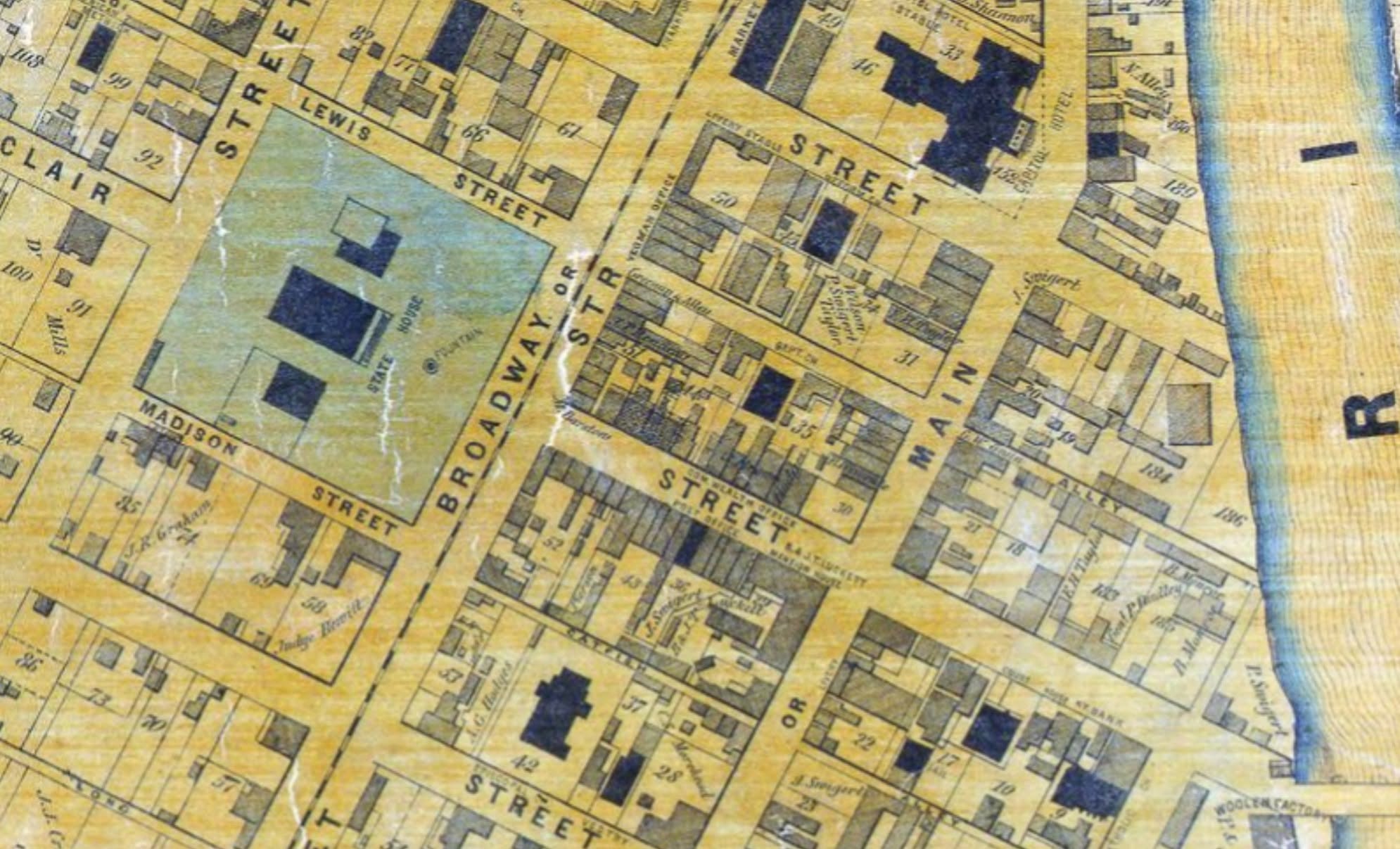
(See map) The relationship between Gaines and Page was clearly a close one. When William and his new wife, Margeret Julian (Wood) Gaines (married on June 22, 1854) had their first child in April 1855, they named her Jane “Jennie” Page Gaines. Gaines also brought James R. Page’s older brother, Thomas S. Page, on as a partner in 1857 to form Page, Gaines & Page. (Thomas Page, as the eldest, took precedence in the business.) W.A. Gaines’ partnership with the Page men was dissolved in 1860. Again, nowhere on W.A. Gaines’ laundry lists of items for sale in any of these businesses’ advertisements was liquor ever mentioned!
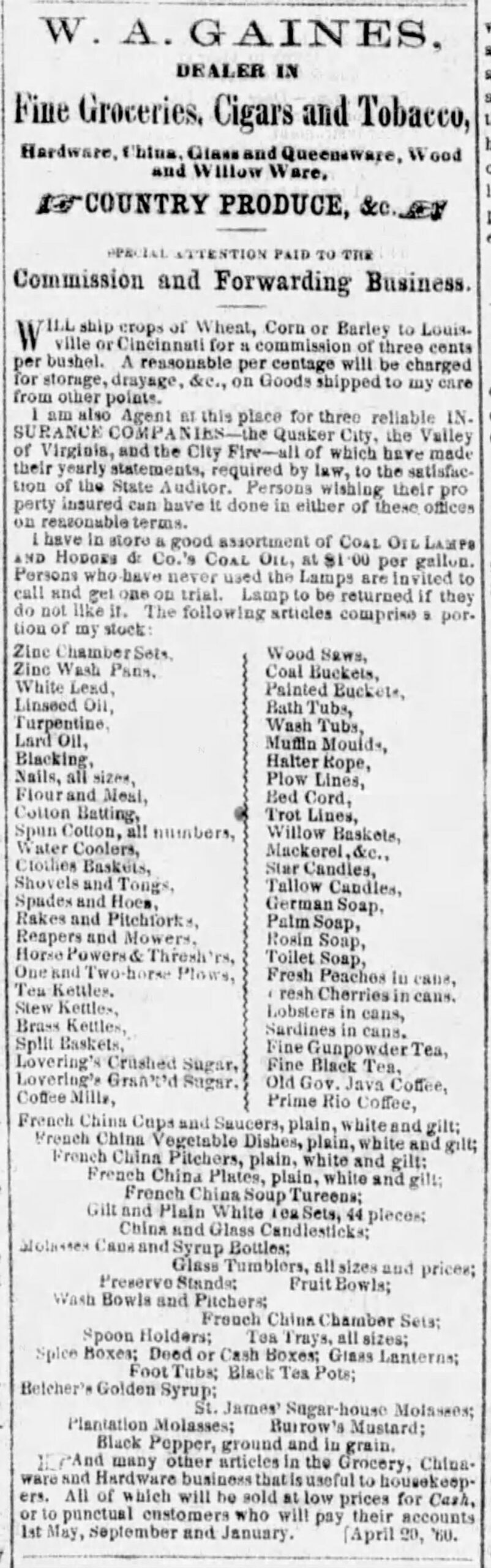
By 1860, W.A. Gaines was his own man, running his own dry goods business while acting as an insurance agent for three separate insurance firms; Quaker City Insurance of Philadelphia, Valley Insurance of Virginia, and the City Fire Insurance Co. The work he did as an insurance agent appears to have created some benefit to his business because there were several examples of Gaines buying up inventory after a fire or after the dissolution of a partnership. W.A. Gaines’ popularity in Frankfort created political and social opportunities for him as well; He served as postmaster for the city of Frankfort between 1861 and 1866 and was appointed as a member to many of Frankfort’s society planning boards. These roles were placing him in direct contact with other very well-connected men in Frankfort.
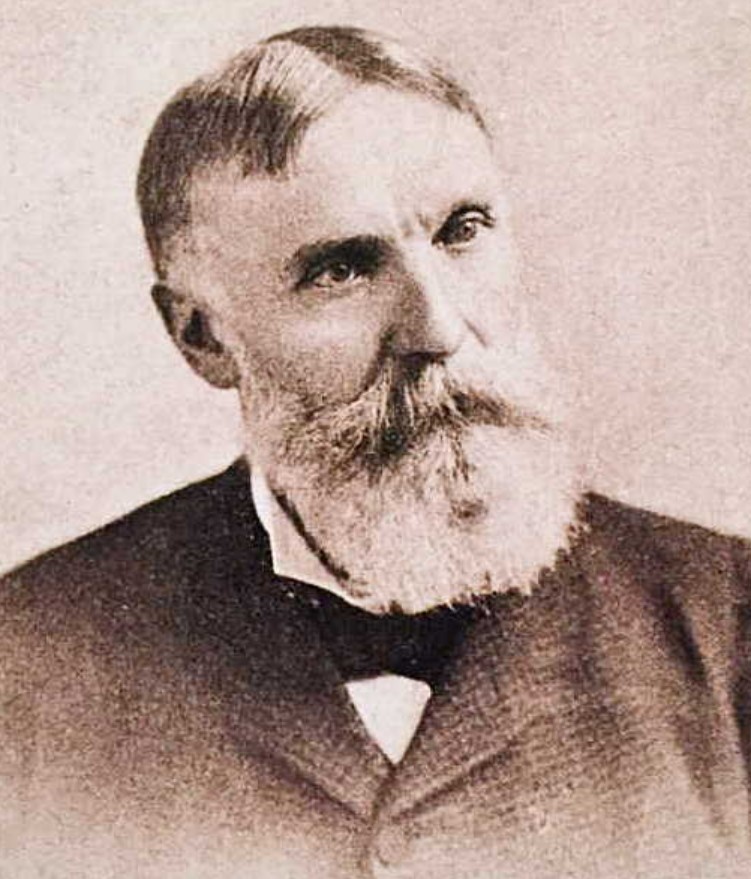
In 1863, W.A. Gaines sold his grocery concern on St. Clair Street (next to Frankfort’s Post Office) to Col. Robert Perry Pepper, a local distiller and avid horseman who just happened to be a nephew of the famous Oscar Pepper. (more on R.P. Pepper later) That shop’s location “next to the Post Office”, as it turns out, helped lead me right down a rabbit hole- not just because Gaines was postmaster, but because the owners of the shop “next door to the post office” each became relevant to the story of W.A. Gaines & Co and E.H. Taylor, Jr.
Neither Gaines nor Berry seemed particularly interested in the liquor industry before 1867 when they formed Gaines, Berry & Company. We’ve established that they knew each other and knew Edmund H. Taylor (both Sr. and Jr.!) because they’d served on committees together since the 1850s, so it’s not odd that they formed a business partnership. But why liquor? I find it very interesting that their interest and their business connections to whiskey seem to coincide with the death of Oscar Pepper in 1865.
Part 6- The Oscar Pepper Effect
“‘OLD CROW’S STILL.’—Messrs Williams and Hensley, of Frankfort, have a larg (sic) lot of pure Bourbon whisky made in the still, and after the recipe of “Old Crow”; the most celebrated distiller ever in Kentucky. This whisky was made by Oscar Pepper, in whose employ “Old Crow” was for twenty years and where he made his reputation. Those sending orders for this brand of whisky can rely upon having them promptly filled, and they guarantee the article to be genuine.”
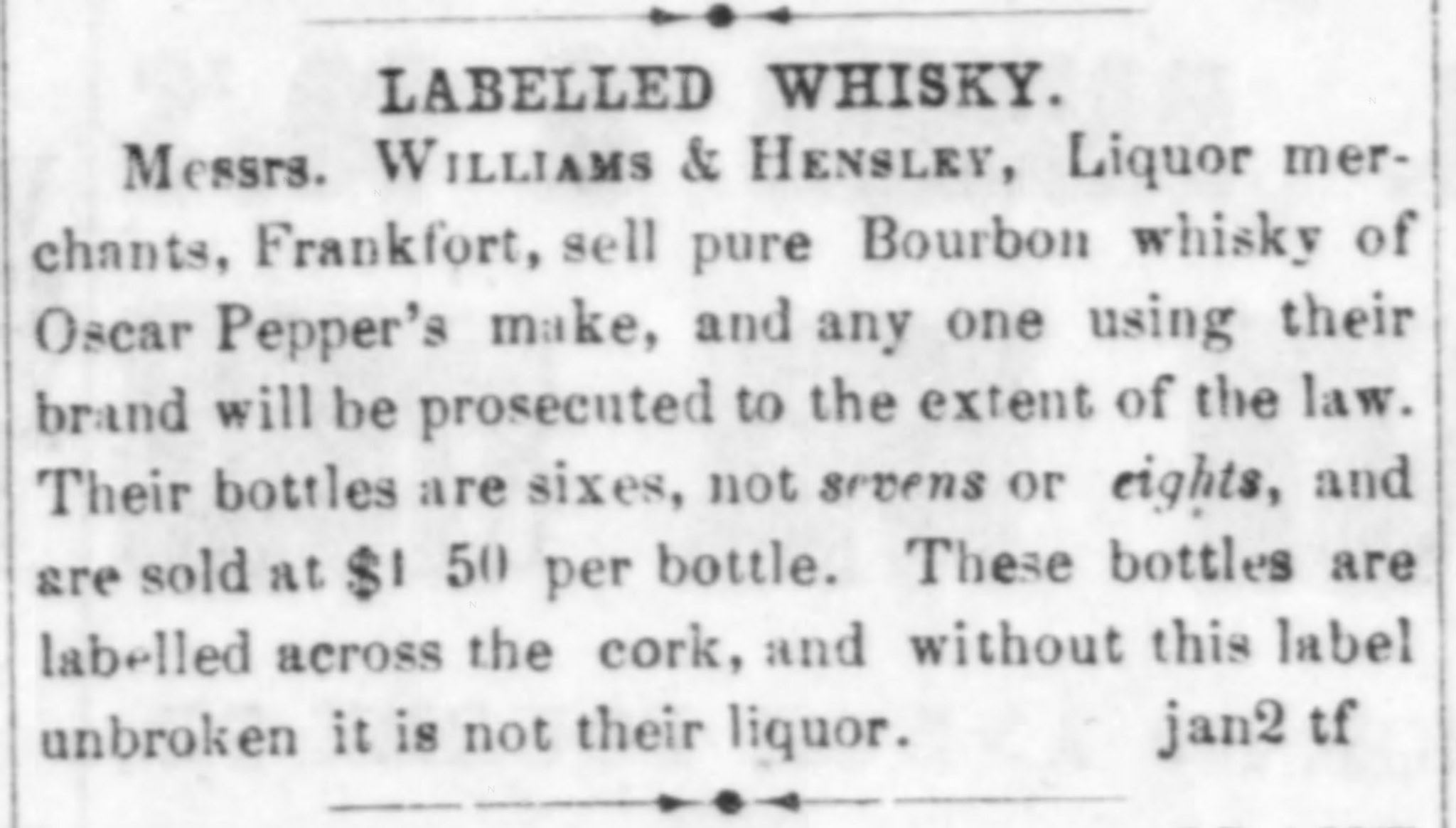
“LABELLED WHISKY. Messrs. Williams & Hensley, Liquor merchants, Frankfort, sell pure Bourbon whisky of Oscar Pepper’s make, and anyone using their brand will be prosecuted to the extent of the law. Their bottles are sixes, not sevens or eights, and are sold at $1.50 per bottle. These bottles are labelled across the cork, and without this label unbroken it is not their liquor.”
“LARGE SALE OF WHISKY.—The still used by Old Crow in Woodford, in making his celebrated whisky, is still a still, and has lost nothing in the death of the old man who set it up. Oscar Pepper used it for some years, and his whisky commanded the highest price in the market. It is now in the hands of Messrs. Gaines, Berry, & Co., of Frankfort, who recently contracted with a firm in New York for the entire crop of 1868, at $1.15 per gallon in bond at the still.”
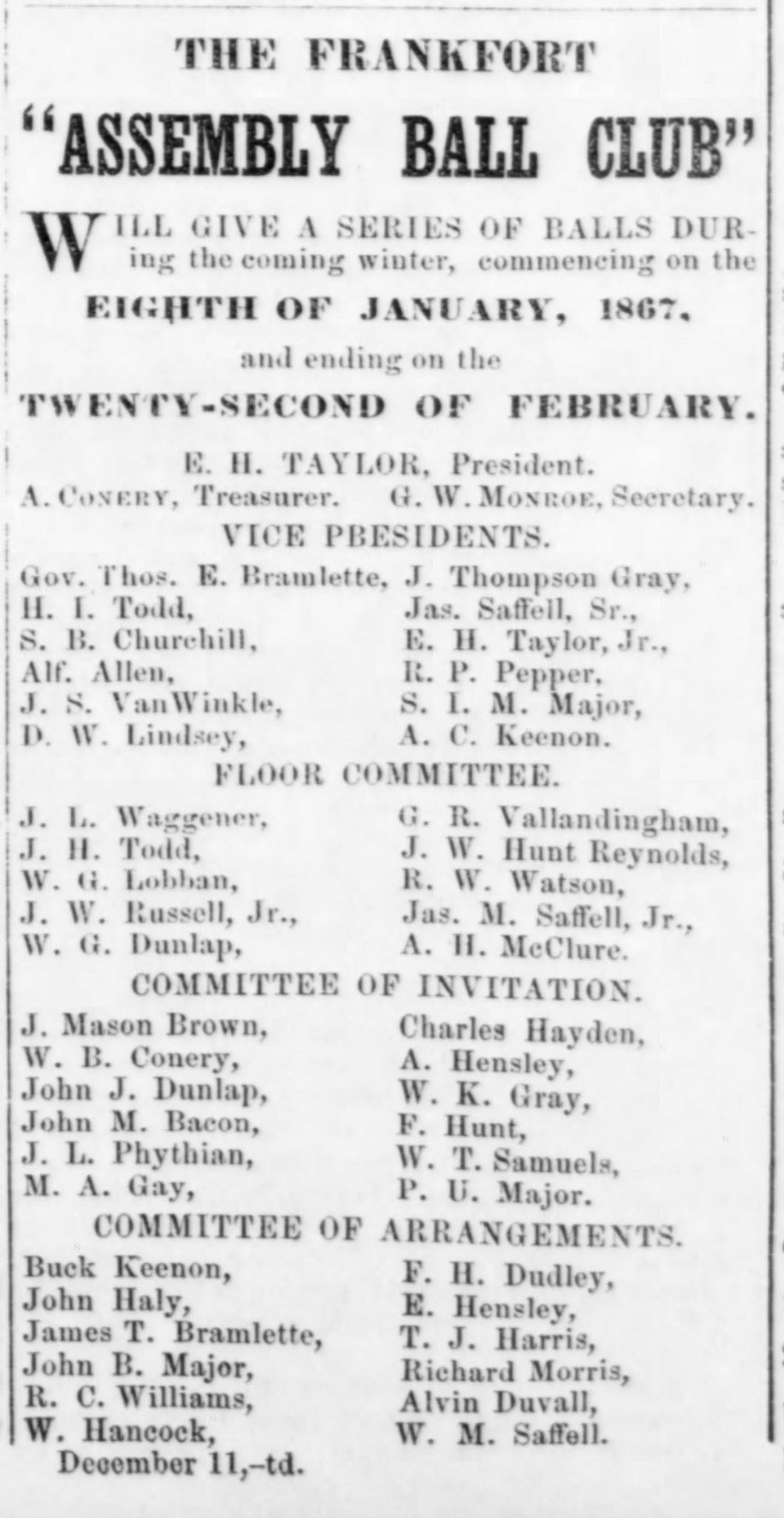 So what happened?! How did Gaines Berry and Co. suddenly get involved in 1867, two years after Oscar Pepper’s death? Did they finally see the opportunity and decide to take it for themselves? We can say with certainty that all these men knew one another. (See ad from January 1867 for the Frankfort “Assembly Ball Club” which clearly showed all of them as committee members together.) Williams and Hensley were set up in one of W.A. Gaines’ old properties on St. Clair Street in Frankfort. Was Gaines, Berry & Co. formed to help dispose of Oscar Pepper’s whiskey? Or was the company formed to become the lessee of the Oscar Pepper Distillery? Perhaps both. If E.H. Taylor, Jr. was involved with Gaines, Berry & Co. from the start, it would make sense that W.A. Gaines, Hiram Berry, and E.H. Taylor, Jr. would work toward everyone’s mutual benefit. For Taylor, who already had a liquor wholesale shop on Main Street (“Whiskey Row”) in Louisville, gaining access to “Old Crow” whiskey, even if it was through a partnership, would have been an enormous benefit.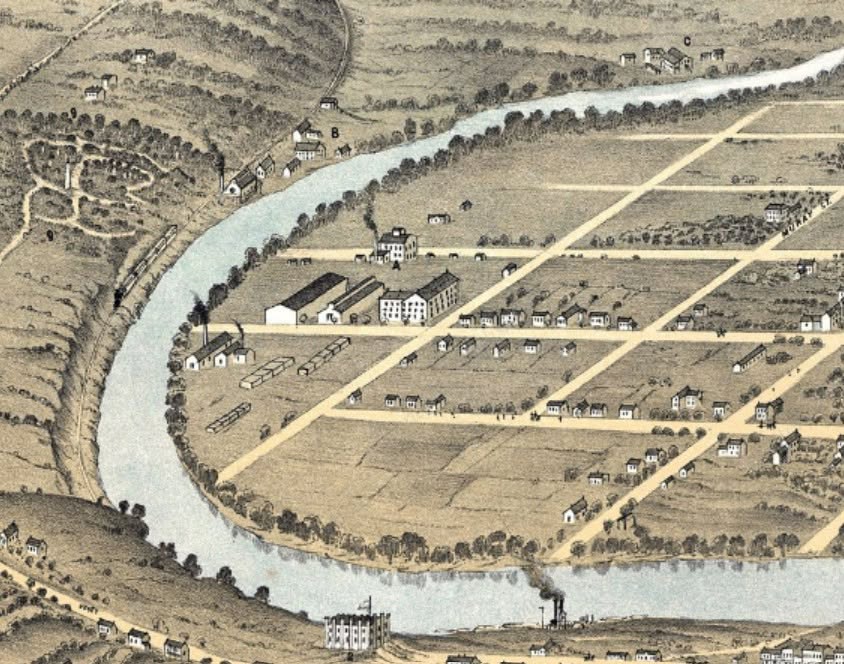
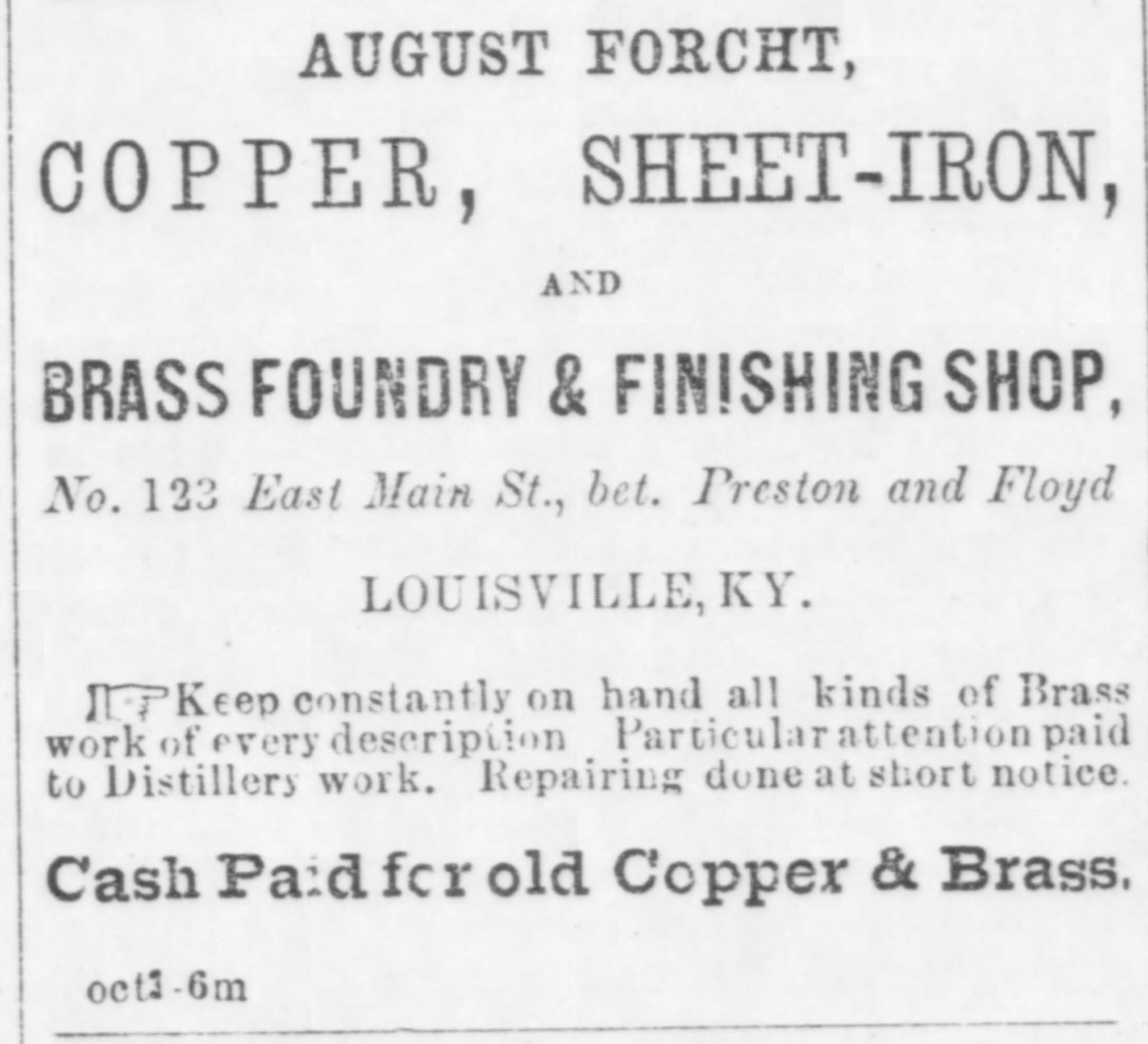
“QUITE AN EXCITEMENT. As I was going up Main Street the other day, I was surprised by hearing a good deal of loud hammering, and being anxious to find out the cause of it, I was directed to Mr. Forcht’s coppersmith shop, 123 East Main Street. When upon entering the establishment, Mr. Forcht called my attention to two of the largest and best made copper stills I ever saw in this country. The size of the stills are 10 feet in diameter and 9 feet in hight (sic). I inquired who they were for; he stated they were for Mssrs. Gaines, Berry & Co, at Frankfors (sic), Ky. Said firm are manufacturers of the best Bourbon whiskies made, If any gentleman would like to see them please give him a call. S.T.S.”
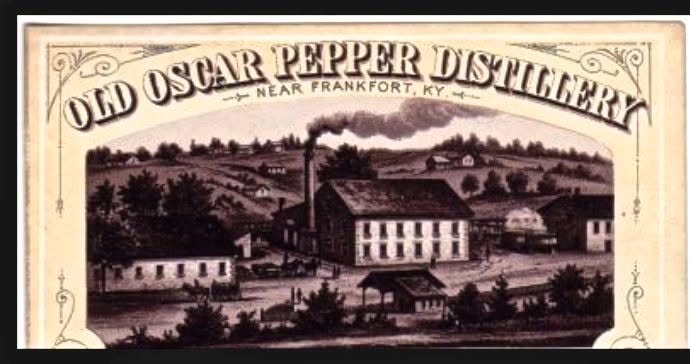
Keep in mind that Gaines Berry & Co. were leasing the Old Oscar Pepper Distillery on Glenn’s Creek in Woodford County (Today, Woodford Reserve’s Distillery location). Their whiskey was Oscar Pepper’s whiskey- whiskey that had been made by William F. Mitchell for over a decade and since James Crow’s death in 1855. They did not own Oscar Pepper’s distillery; Its true owner was James E. Pepper (and his mother, Nannie Pepper) who was leasing it out to Gaines Berry & Co. until he came of age. In 1867, one of the first things that Gaines Berry & Co. did was promise the entire output of their 1868 season to a firm in New York! Meanwhile, they focused on the construction of their own plant closer to home. This new distillery was an investment in their future. It was called the Hermitage Distillery. (See map above) 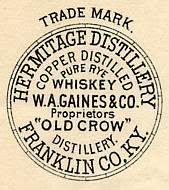 They would continue to call their whiskey “Old Crow” (among other brands), even after they began manufacturing it in Frankfort. They spared no expense building a facility that would recreate the processes at Oscar Pepper’s Distillery on a larger scale. They did not have Oscar Pepper’s distiller or James Crow’s still- those remained at the Old Oscar Pepper Distillery, aka the “Old Crow Distillery”*, but they would brag about their capable distillers, Mr. Bond and Mr. Parker, and their large, brand new stills made by August Forcht.
Part 7- The Man, the Myth.
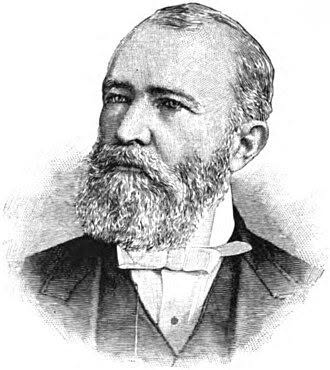
Edmund Haynes Taylor, Jr. is credited with founding the O.F.C. Distillery, Carlisle Distillery, Hermitage Distillery, Old Crow Distillery, and Old Taylor Distillery, and with rebuilding the Old Oscar Pepper Distillery. I think my previous posts have helped to clarify that Colonel Taylor was not founding any of these distilleries singlehandedly. The credit given to Taylor for establishing these distilleries is overstated. (And that’s an understatement!) Let’s look at them:
• O.F.C. Distillery (RD #2)–
Originally the Old Swigert Distillery, purchased by Taylor in 1870. Sold by Taylor to George T. Stagg in 1878 after his bankruptcy filings.• Carlisle Distillery (RD #113)–
Built beside the O.F.C. Distillery in 1880 by “E.H. Taylor, Jr. Company” which was incorporated by George T. Stagg, E.H. Taylor, Jr. and Gustavus J. Baeppler (a St.Louis-based tobacco dealer) in 1879. Not just Taylor. Named “Carlisle Distillery” by Stagg.• The Hermitage Distillery (RD #4) –
Built in 1868 by W.A.Gaines & Co.• Old Oscar Pepper Distillery/Old Crow Distillery (RD #52)–
Built in the 1830s by Elijah Pepper. Original site for production of Old Crow whiskey. Operated shortly by James Pepper and EH Taylor, Jr. in the early 1870s but sold to George T. Stagg in 1878 after their bankruptcies. Stagg sold the property to Labrot & Graham.• Old Crow Distillery (RD #106)–
Rebuilt distillery site in 1860 (closer to Frankfort). After Oscar Pepper’s death in 1865, leased by Gaines, Berry & Co., owned by James E. Pepper and his mother, Nannie Edwards Pepper. E.H. Taylor, Jr. was tied to the finances of this distillery through James E. Pepper who was only 15 and unable to assume the finances of the property when his father died. Gaines likely had a connection to the property through Oscar Pepper, whose first marriage was to Catherine Ann Gaines (she died in 1839, and the marriage did not result in children). James Pepper would eventually take ownership of the property with E.H. Taylor, Jr., but a fire in July 1877 and their mutual bankrupty claims in 1877 allowed W.A. Gaines to assume ownership.• Old Taylor Distillery/J. Swigert Taylor Distillery (RD #53)–
Built by James C. Johnson. Purchased by E.H. Taylor, Jr.’s son, Jacob Swigert Taylor in 1879. J.S. Taylor sold the property to his father in 1882.
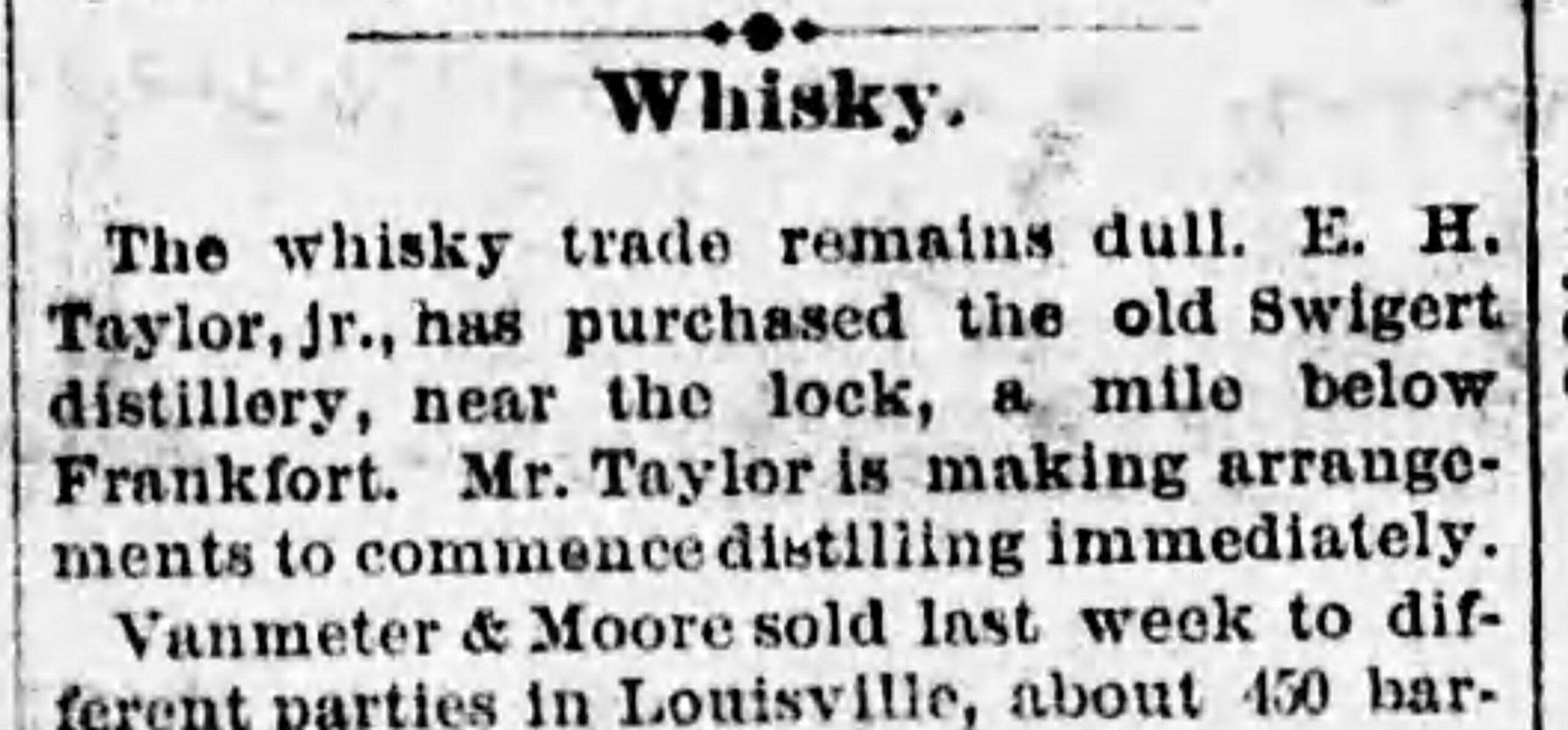
Just looking at these descriptions, we can clearly see that E.H. Taylor, Jr. was associated with these properties but can’t really be given any full credit for their successes. The first distillery that Taylor DID purchase on his own was the Old Swigert Distillery in Frankfort, Ky. Taylor purchased the Old Swigert distillery in 1870 after dissolving his partnership with W.A. Gaines & Co. The distillery had been the property of E.H. Taylor, Jr.’s father-in-law, Judge Jacob Swigert, so he was certainly aware of its potential. Its colloquial name, “Old Swigert”, was a bit unmerited considering the fact that it had only been around for 12 years when Taylor purchased it, but it had passed through the hands of several owners before it came to Taylor, and it was the first of several distilleries to be built in Frankfort, so it was the oldest of the lot. Taylor’s improvements upon the property were his initial efforts to capitalize on Frankfort’s newly emerging whiskey market. That market, it should be said, were largely created by the investments of other men- men he knew and with whom he did business.
E.H.Taylor, Jr. was an ambitious banker who had been learning the art of making money from the other ambitious men surrounding him. Most histories about Taylor like to mention his familial ties to Presidents Zachary Taylor and James Madison, but they were distant relations. His uncle (E.H. Taylor, Sr.), his father-in-law (Judge Jacob Swigert), his cousin (Thomas Hart Taylor), and the myriad of family members he gained through his marriage to Fannie Johnson gave Edmund, Jr. all the connections to wealth and privilege a man could ask for. What Taylor can certainly be credited with understanding better than most was where the most lucrative investment potential existed during the late 1860s. While most of the wealthy men in his circles were investing in livestock, banking, and real estate, E.H. Taylor, Jr. saw the wealth potential in distilled spirits. And honestly, after researching him for several weeks, I wonder if he didn’t have a bit of a chip on his shoulder about investing in whiskey. It’s almost as if he knew it wasn’t the appropriately elite investment to make at the time.
Taylor filed for bankruptcy in 1867 like so many other wealthy men speculating in business ventures after the Civil War, but he was discharged from his debt in 1868. His ability to do so was largely due to the Bankrupcy Act of 1867 (March 2, 1867) which allowed local courts to handle bankruptcy cases, allowing debtors and creditors to negotiate repayment—often for less than full compensation. His ability to recover allowed him to join Hiram Berry, a 59-year-old Yankee with a successful carpentry business in Frankfort, and William A. Gaines, a 36-year-old businessman and grocer from Frankfort, to form Gaines, Berry and Co. (I cannot explain why Gaines’ name, the youngest, preceded Berry’s or excluded Taylor’s- though it is likely due to his accrued wealth in Frankfort and his distribution connections in New York.) The men had been trading and building their wealth and status during the Civil War. In fact, without the war bringing these very different men together, Frankfort’s distilling history would look quite different! But I digress.
Taylor joined Hiram Berry and William A. Gaines as Gaines, Berry and Co. after the war, but it’s unclear if he was a part of their joint venture to begin construction of the Hermitage Distillery in Frankfort in 1868. If he was involved, it was in a minor capacity.
Taylor cannot and should not be credited with the successes of W.A. Gaines & Co. after its formation in 1868 in or with the design of the Hermitage Distillery. It is a strange thing to read so many writers talk about E.H. Taylor, Jr.’s trip to Europe in the late 1860s on some quest to understand and replicate the processes used in Europe. I have no doubt that Taylor went to Europe, but it seems unlikely that it was specifically to study distilling methods. In 1868, Gaines, Berry & Co. advertised the sale of scotch and Irish whiskey which had been imported directly “by Europa”, so they were obviously buying from Irish and Scottish distilleries. When the Hermitage Distillery was under construction, articles published in May 1868 bragged about the influence from Scottish distilleries:
“It was modeled after the celebrated Scotch whisky distilleries, near Edinborough (sic), with such improvements and additions as the most scientific distillers could suggest.”
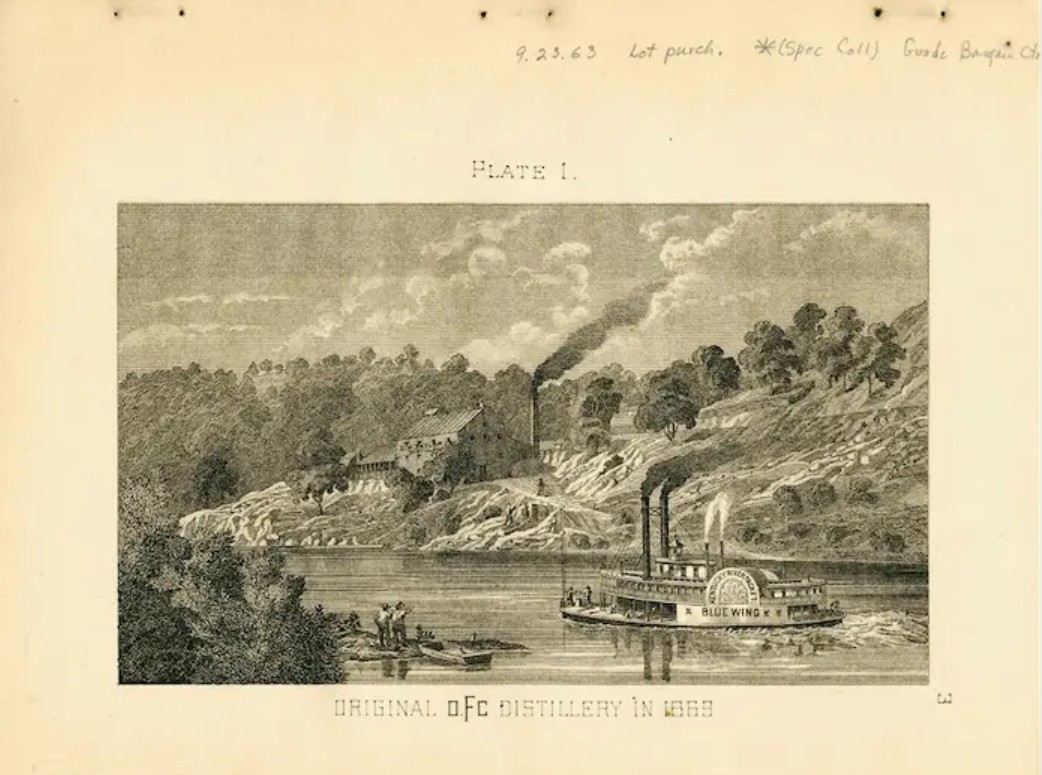
This promotion of themselves as being inspired by Scotland and scientific method is telling. I found several articles from the mid-late 1860s describing the influence that chemists like Professor James Sheridan Muspratt (founder of Liverpool’s College of Chemisty) had begun to have on the brewing and distilling industries during the late 1860s. Professor Muspratt’s name, and names of men like him, were being used to promote the purity of certain products. Muspratt is specifically named in an 1870 article describing E.H. Taylor, Jr.’s distillery in Frankfort. Two years after the Hermitage Distillery was built in Frankfort, Taylor disassociated himself with Gaines, Berry & Co. and purchased the Old Swigert Distillery which (at one point) belonged to his father-in-law. He set about improving his new facility immediately, renaming the property “The Old Fashioned Copper Distillery”, or “The O.F.C. Distillery”. Taylor, like Gaines, Berry & Co. had done before him, described his new distillery as making whiskey the way Oscar Pepper and James Crow had done. He would also embrace the methods praised by Prof. Muspratt:
“The best whisky in England, according to the celebrated Professor Muspratt, is made at the Bush Mills, near the Giant’s Causeway, in Ireland, manufactured exactly as Mr. Taylor proposes to run his distillery; and the professor attributes its excellence to the purity of the water. Mr. Taylor’s distillery is supplied by an ample and never failing spring of the purest limestone water running out of the hills overhanging the river, and no river water is used.”
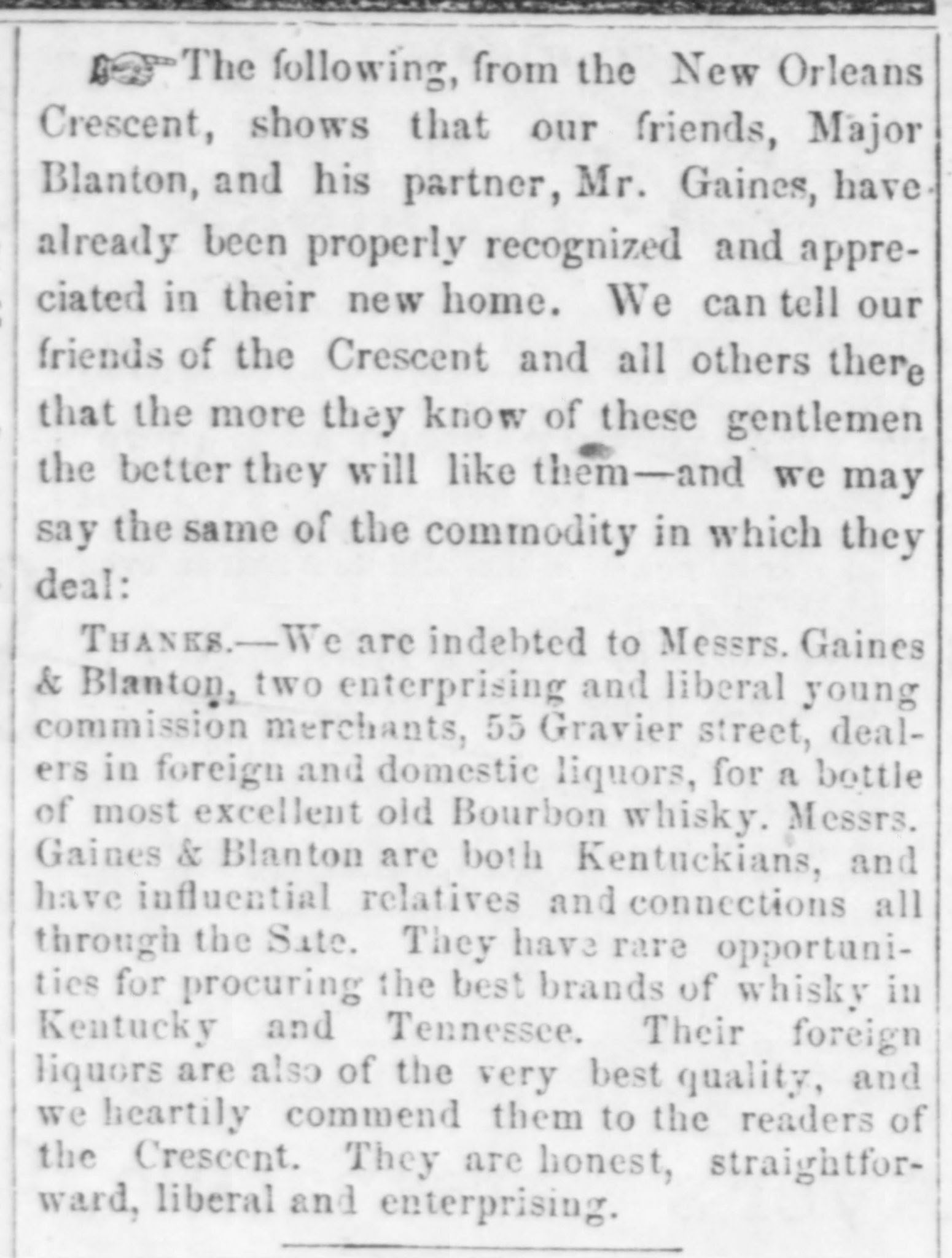
 Taylor goes on to describe his intent to use all copper equipment and the scientific method as James Crow before him- But let’s be clear here. These ideas were not unique to E.H. Taylor, Jr.! Oscar Pepper had been employing these practices for decades. Robert Perry Pepper, Oscar Pepper’s nephew, built his distillery in Frankfort during the mid-1860s and was already selling his copper distilled whiskeys on St. Clair Street (in one of W.A. Gaines’ properties and far south as New Orleans. Gaines & Blanton operated a liquor business in New Orleans.) W.A. Gaines & Co.’s Hermitage Distillery in South Frankfort were clear about their use of all copper, direct fire stills and pure, limestone water. Right across the river from the Hermitage Distillery was Lewis Castleman. Esq.’s Daniel Boone Distillery, which became active in 1869. If you read the descriptions of Castleman’s plant, you could literally remove “Daniel Boone Distillery” and put “O.F.C. Distillery” in its place without missing a beat. These methods and ideas were not unique- they were just being promoted as features of the industry for the first time.
E.H. Taylor, Jr. was just finding his place in the whiskey industry in 1870 when he bought his own distillery- and yes, the O.F.C. was Taylor’s distillery (…until it was Stagg’s!). The same cannot be said for the Hermitage Distillery! Taylor was no longer associated with W.A. Gaines & Co. when he bought the old Swigert Distillery. He had been proprietor of his own liquor dealership in Louisville since 1864, but he was busy selling other men’s whiskey. He had been working with Gaines, Berry & Co. until the late 1860s, but now he was going to be making his own whiskey (or at least paying someone to make his whiskey for him).
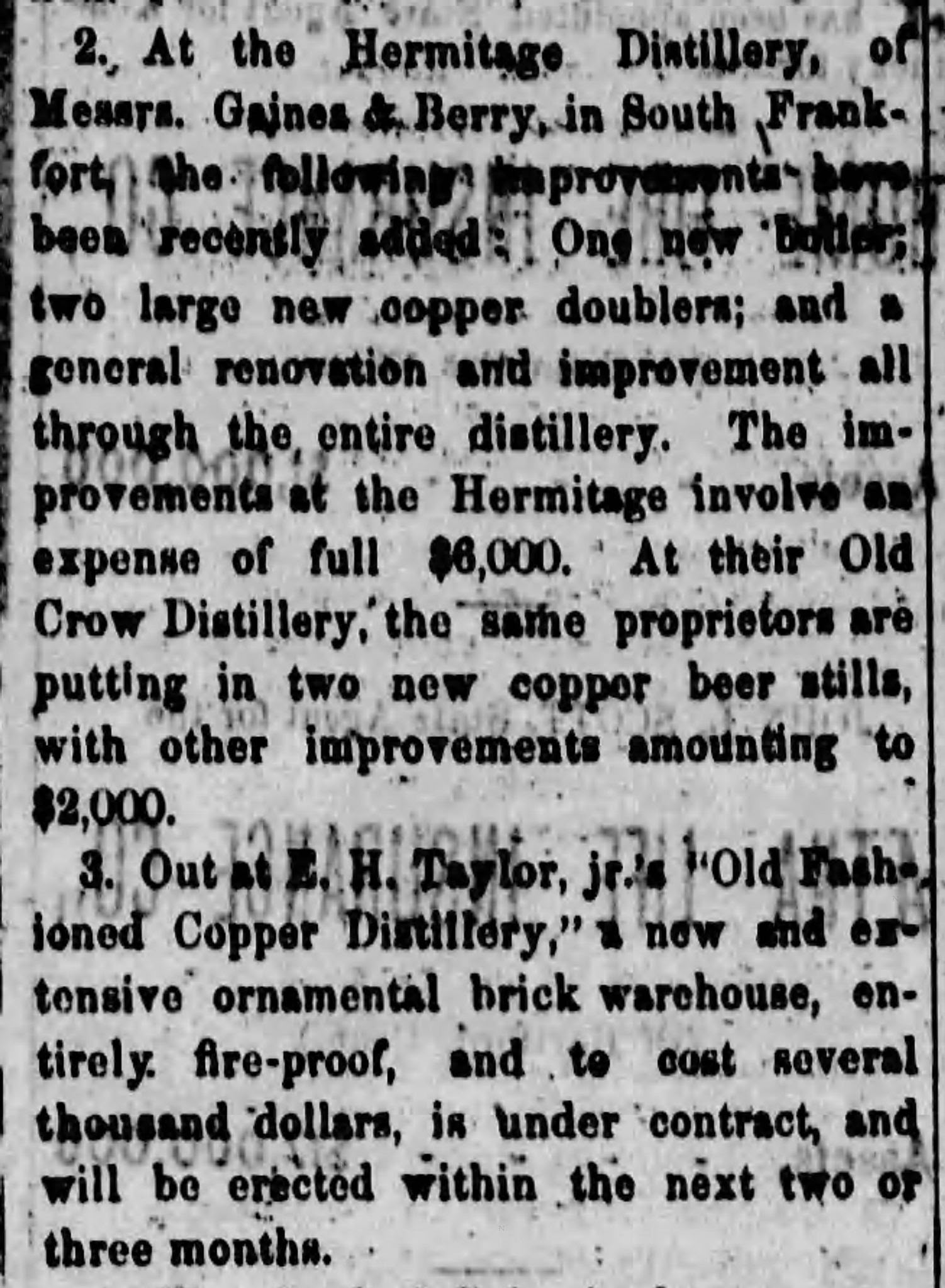
Changes were taking place in Frankfort’s distilling industry in the late 1860s. Oscar Pepper’s death in 1865 certainly opened the opportunity for other men to stake their claim on his legacy. W.A. Gaines & Co. and E.H. Taylor, Jr. were often dropping his name and the name of his whiskey to sell their own products. New distilleries were popping up and business was brisk. But in the spring of 1872, when William A. Gaines was just 40 years old, he contracted an infection in his spine which would leave him partially paralyzed and in great pain. At the end of August, W.A. Gaines & Co. was incorporated under the laws of New York, effectively merging the firms of W.A. Gaines & Co. of Frankfort and Paris, Allen & Co. (liquor dealers) of New York. On November 18, 1872, William Gaines died of his infection. The company had barely begun to thrive when the company’s namesake passed on- though his name would be immortalized without him being present. George H. Allen and Hiram Berry would continue to operate as managing partners.
(For more research on E.H. Taylor, Jr., you can use the search feature on this blog’s home page. My post on George T. Stagg explains more.)